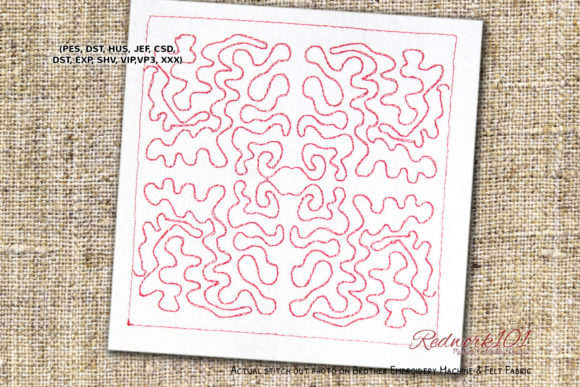
Textile Quilt Pattern: A Craft Fair Review
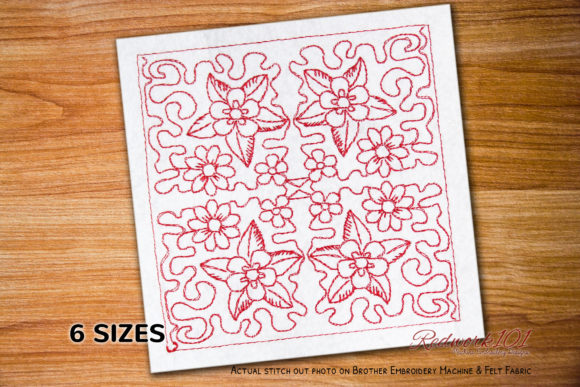
As an embroidery designer preparing for a weekend craft fair, my primary concern is always the intersection of aesthetic appeal and production efficiency. When evaluating the Textile Quilt Pattern for my upcoming booth lineup, I am looking at more than just a pretty digital file; I am assessing a potential bestseller. This specific machine embroidery design falls under the Intricate Cuts category, suggesting a level of detail that demands attention. However, for a handmade market environment where customers make split-second decisions based on visual texture and perceived value, this pattern requires strategic application. My review focuses on translating this bluework-style textile motif into tangible, profitable inventory ranging from tote bags to tea towels.
First Impressions and Booth Presence
The immediate impression of the Textile Quilt Pattern is one of structured elegance with a rustic undertone. Despite being categorized as intricate, the description highlights "Bluework," which traditionally evokes a sense of heritage, farmhouse charm, and artisanal quality. For a craft fair table display, this is a significant advantage. Shoppers are often drawn to items that feel grounded and historical rather than mass-produced. The optional Box Stitch mentioned in the product details offers a crucial design advantage: modularity. In a busy booth setting, having the ability to offer variations without changing the core design asset allows for a cohesive yet diverse product range. The outer box acting as a framing element in a contrasting color creates a natural focal point, making the design pop against neutral fabrics like unbleached canvas or cream linen. This visual contrast is essential for catching the eye of a passerby from several feet away.
Best Applications for Market Products
Not every embroidery file translates equally well across all substrates. Based on the structural nature of this textile quilt motif, I have identified specific high-potential applications for my inventory:
- Tote Bag Design: This is likely the strongest performer. The geometric stability of a quilt pattern complements the sturdy weave of canvas totes. The optional box stitch serves as a perfect frame for personalization or branding, turning a simple bag into a premium boutique item.
- Tea Towel Embroidery: Bluework and kitchen textiles are a classic pairing. The intricate cuts will show beautifully on flour sack cotton, provided the stabilizer is adequate. These serve as excellent mid-tier price point items that encourage impulse buys.
- Apron Embroidery: For the maker demographic, an apron featuring this pattern signals professional craftsmanship. Placing the design on the chest bib or lower pocket utilizes the quilting aesthetic to suggest durability and tradition.
- Embroidered Patches: Given the "intricate" classification, creating standalone patches allows customers to apply the design to denim jackets or caps later. This extends the product lifecycle and appeals to DIY buyers who may not own machines.
- Pillow Covers: As a home decor item, this pattern adds texture without overwhelming a room. It works exceptionally well as an accent pillow mixed with solid linens.
Conversely, I would approach curved surfaces like caps with caution. While possible, the rigid geometry of a quilt pattern can distort on a curved brim unless specifically digitized for 3D puff or cap hoops. For this review, flat goods remain the safest bet for consistent quality.
Production Practicality and Batch Efficiency
For an Etsy seller or small shop owner, time is money. The Textile Quilt Pattern scores high marks for repeatability. Because the design relies on geometric repetition and optional framing elements, it is ideal for batch production. I can hoop multiple tea towels or tote panels and run the same thread sequence repeatedly, minimizing color changes and re-hooping downtime. The option to skip the outer box or change its color means I can create a "light" version for delicate fabrics and a "bold" version for heavier market bags using the same base file. This versatility reduces the number of distinct SKUs I need to manage while increasing the perceived variety on my table. Furthermore, the structured nature of the design photographs exceptionally well for printable mockups and online listings, as the clean lines remain sharp even in thumbnail images.
Critical Use Notes and Technical Constraints
While the design is versatile, the "Intricate Cuts" designation necessitates careful technical consideration. As a professional, I must warn against assuming this file is plug-and-play on all materials. High stitch density in intricate areas can cause puckering on lightweight fabrics if the wrong stabilizer is used. Always pair this design with a high-quality cutaway stabilizer for stretchy knits or a heavy tear-away for woven cottons. Additionally, verify the minimum size requirements before attempting to resize down for small pouches or shirt cuffs. Intricate details are often the first to suffer during reduction, leading to thread breaks or muddy visuals. If the design includes tiny lettering within the quilt blocks, test stitching is mandatory to ensure legibility. Dark fabrics also present a challenge; since Bluework typically relies on contrast, stitching dark blue on navy fabric will render the intricate cuts invisible. Stick to light or medium-toned bases to let the embroidery shine.
Enhancing Perceived Value and Brand Consistency
The true selling power of the Textile Quilt Pattern lies in its ability to elevate the perceived value of finished products. In the handmade market, customers associate complex textile patterns with higher labor costs and superior skill. By utilizing this design, you signal that your brand values tradition and detail. To maximize this, consistency is key. Use the same thread colors across different product types to create a recognizable collection. If your brand identity leans modern, use high-contrast monochrome threads; if it leans farmhouse, utilize variegated or matte cotton threads. This cohesion strengthens booth display impact and encourages customers to buy multiple items as a set. Remember to check commercial licensing terms before selling; ensuring you have the right to sell finished products protects your business and supports the original digitizer.
Designer’s Pre-Production Checklist
Before committing this design to a full production run for the weekend market, execute the following validation steps:
- Test Stitch on Scrap Fabric: Never run a new intricate design directly on saleable inventory. Verify registration and tension first.
- Audit Stabilizer Choice: Match the stabilizer weight to both the fabric texture and the stitch density of the quilt pattern.
- Confirm Hoop Size: Ensure the design fits comfortably within your hoop with adequate margin for gripping; tight hooping distorts intricate geometry.
- Review Thread Contrast: Check visibility under both natural daylight and artificial booth lighting conditions.
- Create Physical Mockups: Digital renderings do not show texture. A real sample helps you judge the tactile quality and final drape.
- Inspect Small Details: After testing, measure the smallest elements to ensure they survived the stitching process intact.
- Verify Licensing: Double-check that your purchase includes rights for commercial sale of embroidered goods.
By treating the Textile Quilt Pattern as a strategic asset rather than just another file, you transform it into a cornerstone of your craft fair success. Its blend of traditional aesthetics and modular functionality makes it a reliable choice for makers seeking to balance artistic integrity with commercial viability. Whether applied to a rugged market tote or a delicate heirloom tea towel, this design carries the weight of genuine craftsmanship that today’s handmade buyers actively seek.