Hammer Saw Tools: A Craft Fair Embroidery Review
First Impressions for the Maker Market Booth
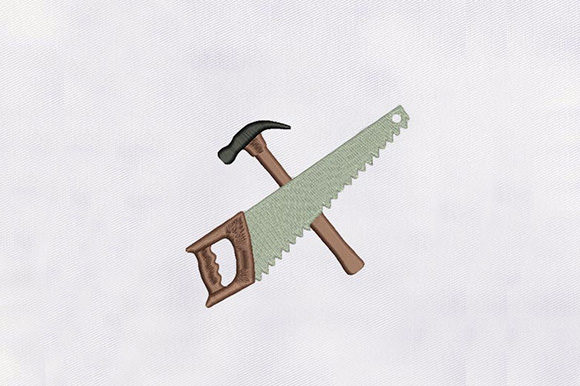
As an experienced embroidery designer preparing for a weekend craft fair, my first step is always evaluating whether a digital asset translates into a physical seller. When reviewing Hammer Saw Tools, the immediate impression is one of rustic charm mixed with practical utility. This is not merely a generic clip-art graphic; it reads as a lifestyle statement for the DIY enthusiast. The description highlights that this is a "cute" design intended for work clothes, suggesting a balance between rugged subject matter and approachable aesthetics. For a booth display, this duality is gold. It avoids being overly industrial or masculine, making it accessible to a wider demographic of female makers, woodworkers, and home renovators who want their gear to look stylish rather than purely functional.
In terms of visual hierarchy at a market table, Hammer Saw Tools projects a modern farmhouse vibe. It feels handcrafted yet precise, which is exactly what customers are looking for when they stop at an embroidery booth. They want to see that the machine embroidery design has been curated with intention. This specific artwork signals to the buyer that you understand their passion for building and creating, establishing an instant emotional connection before they even check the price tag.
Best Selling Products for Hammer Saw Tools
Determining where to place this design is critical for inventory turnover. Based on the "work clothes" and "DIY projects" theme, certain products will naturally outperform others in a live selling environment.
Aprons and Work Wear
This is the primary application. An apron embroidery featuring Hammer Saw Tools serves as both a protective garment and a conversation starter. For craft fairs, I recommend stitching this on canvas or denim aprons in natural, slate grey, or navy tones. The design acts as a badge of honor for the wearer. Because the description mentions using it for a "stylish look," positioning this on the chest pocket area or centered above the waist tie maximizes visibility. Customers often buy these as gifts for spouses or partners who love woodworking, so having a few pre-made samples in different sizes is essential.
Tote Bags and Market Carriers
A tote bag design utilizing this motif appeals to the shopper carrying heavy yarn, fabric, or small tools. Heavyweight canvas totes provide a stable base for the embroidery file, ensuring the stitches remain crisp. Unlike t-shirts, tote bags are flat and easy to display on a vertical rack, allowing passersby to see the full detail of the hammer and saw imagery from a distance. This product category bridges the gap between a craft fair product and everyday utility.
Tea Towels and Kitchen Textiles
While primarily a tool design, the "cute" factor allows Hammer Saw Tools to cross over into kitchen decor. A flour sack towel embroidered with this design targets the "maker's kitchen" niche. It acknowledges that domestic life and workshop life often overlap. However, when executing tea towel embroidery, be mindful of the weave. The design needs to be bold enough to stand out against textured linen without getting lost in the fabric grain.
Production Practicality and Batch Efficiency
For an Etsy seller or boutique maker, time is money. Hammer Saw Tools appears to be a strong candidate for batch production because of its likely compact footprint. Tool-themed designs typically rely on solid fills and clear outlines rather than intricate shading, which keeps run times reasonable. This efficiency allows you to produce multiple units of the same handmade product during a single hooping session, reducing labor costs per item.
From a photography standpoint, this design should photograph exceptionally well for online listings. High-contrast tool shapes create clean silhouettes that read clearly in thumbnail images. When creating a printable mockup or listing photo, ensure the lighting highlights the texture of the threads. The tactile nature of embroidery sells the quality better than any digital rendering. If you offer the digital embroidery file itself as a download, providing a stitched-out sample photo alongside the software preview builds trust with fellow embroiderers who need to verify stitch quality before purchasing.
Critical Technical Considerations for Makers
Despite its appeal, every commercial embroidery project requires technical due diligence. Before listing any finished goods or files, you must address potential production pitfalls associated with tool-themed art.
- Stitch Density on Canvas: Workwear fabrics like duck canvas are durable but dense. Ensure the stitch density in the Hammer Saw Tools file is optimized for heavier materials. If the design is too dense, it may cause needle breaks or fabric puckering. Conversely, if it is too sparse, the fabric texture might show through unattractively.
- Small Detail Clarity: Tools often feature thin handles or serrated saw blades. Verify that these elements are wide enough to stitch cleanly. Tiny details can turn into thread nests on textured towels or fleece. You may need to slightly widen narrow columns in your editing software before production.
- Stabilizer Selection: Do not skimp on support. For structured items like caps or thick aprons, use a heavy-duty cut-away stabilizer. For tea towels, a tear-away or wash-away topping prevents the stitches from sinking into the terry cloth or linen weave.
- Thread Color Contrast: Test your thread colors against various fabric backgrounds. A dark grey hammer on a black apron will disappear. Opt for high-contrast pairings like cream thread on denim or bright orange accents on navy canvas to make the design pop at the booth.
Designer Notes for Successful Execution
To ensure Hammer Saw Tools becomes a profitable addition to your lineup, follow this pre-production checklist. Never assume a downloaded file is ready-to-stitch without verification.
- Run a Physical Test: Always stitch a test run on scrap fabric that matches your intended final product. Check for registration issues between color changes and ensure the outline aligns perfectly with the fill.
- Verify Hoop Size Compatibility: Confirm the dimensions fit your machine’s hoop. If resizing is necessary, do so within professional digitizing software to maintain stitch integrity, rather than relying on the machine’s automatic resize function which can distort tool proportions.
- Check Licensing Terms: The product description states the design comes with multiple formats and can be used, but you must confirm the specific commercial license limits. Can you sell unlimited finished products? Are there restrictions on mass production? Clarifying this protects your business.
- Create Real Mockups: Photograph the actual stitched item on a model or flat lay. Digital mockups are useful, but real photos prove the design assets translate well to physical media. Show close-ups of the stitching to demonstrate quality.
- Assess Fabric Texture Interaction: Remember that fabric texture affects perceived detail. Smooth cotton shows off fine lines best, while nubby linens require bolder, simplified versions of the design. Adjust your expectations and marketing based on the substrate.
Enhancing Brand Value Through Niche Design
Ultimately, adding Hammer Saw Tools to your collection is about more than just selling a single item; it is about defining your brand’s identity within the maker community. By offering specialized small shop product options that cater to specific hobbies like woodworking or DIY renovation, you position your booth as a destination rather than a generic vendor. Customers appreciate when an Etsy seller or market vendor understands their world. This design bridges the gap between traditional feminine crafts and the broader maker movement, expanding your potential customer base. Whether applied to a rugged work apron or a giftable pouch, this embroidered patch or direct stitch application carries a narrative of creativity and capability that resonates deeply with today’s handmade buyers. Treat this design with the same respect you would give a complex floral or monogram, and it will reward you with loyal customers who value both style and substance in their creative lives.