Photographer with Hat: Embroidery Design Review
First Impressions for Creative Business Branding
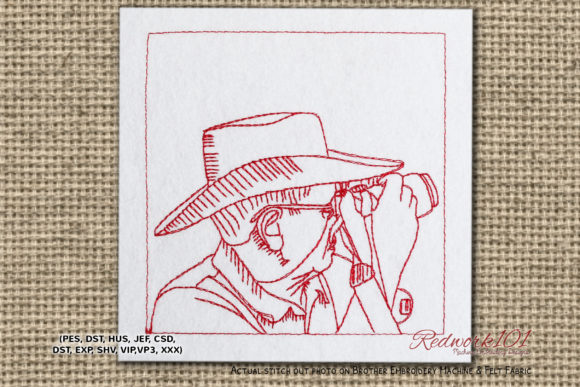
As an embroidery designer evaluating assets for commercial application, my first impression of the Photographer with Hat design is that it strikes a necessary balance between artistic personality and professional utility. For small business owners in the creative sector, branding often walks a fine line; it must look handmade and authentic without appearing amateurish. This design captures that specific aesthetic. The silhouette suggests a classic, dedicated craftsman vibe, making it immediately relevant for photography studios, vintage shops, artisan bakeries, or florists who want to convey a sense of heritage and skill.
The visual weight of the hat provides a strong anchor point for the composition, which is crucial when translating art into thread. Unlike overly complex illustrations that turn into muddy blobs when stitched, this design relies on clear shapes and recognizable iconography. It feels rustic yet refined, offering a premium look that can elevate small business merch beyond basic promotional giveaways. When reviewing this machine embroidery design, I see potential not just as a logo, but as a storytelling element that communicates passion for the craft directly to the customer.
Evaluating Versatility Across Merchandise and Uniforms
In a real-world business scenario, versatility is king. A boutique owner cannot afford to buy separate designs for every single product category. The Photographer with Hat performs exceptionally well across various applications because of its adaptable structure. For staff uniforms, such as denim aprons or canvas work shirts, the design serves as an excellent left-chest accent. It is distinct enough to be recognized from a distance but compact enough to maintain comfort and wearability for employees working long shifts.
For retail-facing items, this design shines as an embroidered patch. Patches are currently a high-value add-on for Etsy sellers and local markets. Because the subject matter is universally associated with creativity, it works beautifully on tote bags, beanies, and jacket backs. I can easily envision a coffee shop using this on barista caps or a floral studio applying it to delivery driver uniforms. The design’s inherent "work" aesthetic aligns perfectly with custom apparel meant to signal authenticity. Furthermore, for businesses selling digital products or services, having a physical representation of their brand through apron embroidery or cap designs helps bridge the gap between digital presence and tangible trust.
Navigating Technical Constraints and Placement
While the aesthetic is strong, technical execution determines commercial success. When planning cap embroidery, the curvature of the hat brim and crown can distort designs with poor digitizing. The Photographer with Hat appears structured well for flat surfaces, but caution is advised for curved caps. Always test on a scrap cap first to ensure the hat element in the design does not warp or pull excessively. Similarly, when creating small patches (under 3 inches), verify that the facial details or camera elements do not become too dense. High stitch density in small areas can cause puckering or needle breaks, especially on lightweight fabrics.
Fabric texture plays a massive role in how this design translates. On smooth cotton twill or canvas, the lines will remain crisp. However, on textured linen or ribbed knits, fine details may get lost. If you are producing tote bag design merchandise on heavy canvas, ensure your stabilizer choice supports the weight of the design to prevent tunneling. For dark uniforms, contrast is essential; if the photographer figure is dark, consider adding a light outline or background element to ensure visibility against navy or black fabric. Always prioritize readability over intricate detail when scaling down for sleeve cuffs or pocket accents.
Customization Notes: Managing the Optional Box Stitch
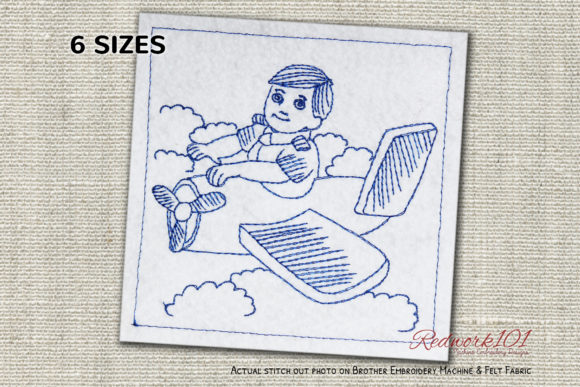
A critical feature noted in the product description is the optional nature of the box stitch. From a production standpoint, this flexibility is invaluable. The description states: "The Box Stitch shown in picture is optional. The color of outer Box is different color in most of the designs unless it is part of the design itself, you can skip the color direc." This indicates that the digitizer has separated the framing element from the core artwork.
For business owners, this means you have two distinct assets in one digital embroidery file. Use the boxed version for formal uniforms, official signage, or structured patches where a defined border adds professionalism. Skip the box for all-over prints, subtle tone-on-tone branding, or placements where space is limited, such as a shirt collar or cuff. Being able to toggle this element allows for greater consistency across diverse design assets without needing to purchase multiple files. However, always check your specific software to confirm how to isolate or delete the box stitches before running production, as layer management varies by machine brand.
Impact on Brand Identity and Customer Perception
Embroidery signals permanence and quality. When a customer sees a cleanly stitched Photographer with Hat emblem on a product, it subconsciously reinforces the idea that the business pays attention to detail. In the handmade and creative sectors, trust is built through these tactile cues. A sloppy print fades; a precise embroidery design endures. This specific imagery resonates with buyers who value the "maker" movement. It transforms a generic item into a branded artifact.
Consistency is equally important. Using this design across your finished product line creates a cohesive visual language. Whether it appears on packaging, staff wear, or event merchandise, the repeated motif builds recognition. For Etsy sellers, including a photo of the actual embroidered item (not just a digital mockup) significantly boosts conversion rates because it proves the commercial embroidery quality matches the listing photos. The "Photographer" archetype also humanizes the brand, reminding customers that real people are behind the products they are buying.
Essential Pre-Production Checklist for Business Owners
Before committing to a full production run, follow this professional workflow to ensure the Photographer with Hat meets your business standards:
- Test in Black and White: Run a sample using only black and white thread first. This reveals the underlying structure and density issues without the distraction of color blending.
- Verify Hoop Size Compatibility: Confirm the design dimensions fit your available hoops with adequate margin for stabilization. Do not assume standard sizing.
- Check Thread Color Contrast: View the design against your actual garment colors under store lighting, not just screen light. Adjust thread colors if the design disappears against the fabric.
- Create Printable Mockups: Before stitching inventory, place the design digitally on product photos to show clients or stakeholders. Get approval on placement and scale early.
- Inspect Stabilizer Pairing: Match your stabilizer to the fabric weight. Cutaway for stretchy knits, tear-away for stable wovens, and water-soluble toppers for textured surfaces like fleece.
- Confirm Commercial Licensing: Always review the license terms included with the embroidery file. Ensure you have the right to use the design on items intended for resale or paid services.
- Wash Test: Embroider a sample and wash it three times. Check for shrinkage, thread bleeding, or stabilizer residue before selling the final merchandise.
By treating the Photographer with Hat as a strategic business asset rather than just a decorative graphic, you maximize its return on investment. Proper testing, thoughtful customization of the optional box frame, and strategic placement will ensure this design serves your brand effectively across uniforms, patches, and retail goods. Remember that in brand identity, execution is everything; take the time to dial in your settings so the final stitch-out reflects the quality of your business.