Native Scenery: A Craft Fair Embroidery Review
As I prepare my inventory for the upcoming weekend craft fair, my table display needs to tell a cohesive story while offering variety that catches the eye of passersby. When evaluating a new machine embroidery design for commercial production, I look beyond just the digital preview. I need to know if the artwork translates into a tangible, high-value handmade product that customers will actually pick up and purchase. Today, I am reviewing "Native Scenery" to determine its viability across tote bags, aprons, tea towels, and market-ready gifts. This assessment focuses on practical application, visual impact at a booth, and production efficiency for small business owners and Etsy sellers.
First Impressions and Visual Mood
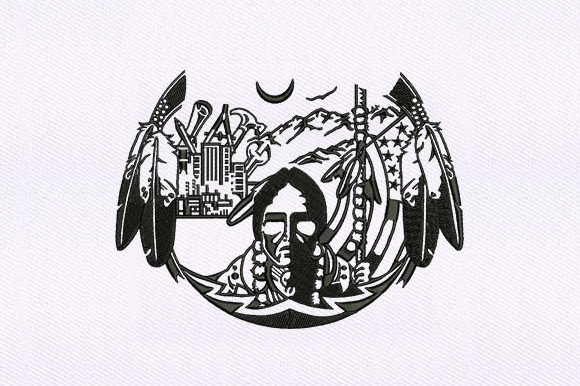
Based on the title and category, Native Scenery immediately evokes a sense of organic warmth, cultural richness, and rustic elegance. In the context of African-inspired artistry, this design likely features earthy tones, natural landscapes, or traditional motifs that feel grounded rather than overly modern or synthetic. For a craft fair booth, this mood is incredibly valuable. Shoppers at handmade markets are often seeking items with soul and narrative. A design that feels authentic and connected to nature stands out against the sea of generic, mass-produced graphics found elsewhere.
The aesthetic leans toward premium and decorative. It does not read as a quick novelty item but rather as a thoughtful piece of textile art. This perception allows for higher price points on finished goods. Whether the motif depicts wildlife, flora, or geometric patterns inspired by the continent, the "scenery" aspect suggests a landscape or panoramic composition. This horizontal orientation is perfect for specific merchandise types, making it a versatile asset for creative entrepreneurs looking to diversify their small shop product line without losing brand consistency.
Best Product Applications for Market Sales
Not every embroidery file works on every surface. Through years of testing designs for retail, I have found that scenery-based artwork performs best when given adequate space to breathe. Here is how I would deploy Native Scenery across different inventory categories:
- Tote Bag Design: This is the strongest contender. Canvas totes provide a flat, stable surface ideal for scenic compositions. The horizontal nature of a landscape fits perfectly in the center of a 15x15 inch bag. At a market stall, these can be hung at eye level to showcase the full detail of the stitching.
- Tea Towel Embroidery: Flour sack towels or linen blends are excellent canvases. The rustic vibe of Native Scenery pairs beautifully with natural fibers. However, placement is key; centering the design about four inches from the bottom hem creates a balanced, professional look that appeals to farmhouse and boho-style buyers.
- Apron Embroidery: For chef or garden aprons, this design serves as a sophisticated focal point on the bib or lower pocket area. It elevates a utilitarian item into a wearable piece of art, distinguishing your booth from vendors selling plain personalized gear.
- Pillow Covers: Home decor sells well at fairs because customers can visualize it in their own space. Native Scenery on a neutral linen pillow cover acts as an accent piece that ties together a room’s color palette.
- Embroidered Patch: If the design has distinct outlines and manageable density, it could be adapted into a patch. This opens up sales to customers who want to customize their own denim jackets or caps later, serving as both a finished product and a customizable add-on.
Production Practicality and Booth Display
For commercial embroidery, time is money. A beautiful design is useless if it takes three hours to stitch and eats through thread bobbins. While I cannot see the specific stitch density without loading the file, scenery designs typically involve fill stitches for skies or ground elements. As a producer, I must verify that the digitizing is efficient. Overly dense fills can cause puckering on lighter fabrics like tea towels and increase production time unnecessarily.
From a sales perspective, Native Scenery has strong "stop power." In a busy market environment, you have seconds to grab attention. Complex, colorful scenery draws the eye faster than simple monograms. Furthermore, this type of design photographs exceptionally well for online listings. When creating a printable mockup or listing photos for Etsy, the intricate details of a scenic design show value even in thumbnail size. Customers understand they are paying for artistry, not just a logo.
Batch production is also feasible here. Once you have dialed in the stabilizer and hooping method for canvas totes, you can run multiple units consecutively. This repeatability is essential for restocking popular items during the holiday rush or peak market season.
Critical Technical Considerations
Before committing to a full production run, experienced embroiderers must address potential pitfalls. Native Scenery, by definition, implies detail. Here are the caution points I always check:
- Fabric Texture Compatibility: Avoid using highly textured terry cloth or waffle weave unless the design includes a knockdown stitch. Scenery details will get lost in the pile of a thick towel. Stick to smooth cottons, linens, or canvas for maximum clarity.
- Small Lettering and Details: If the design includes tiny text or delicate foliage, test it at the smallest intended size first. Reducing a complex scenery file by 30% might turn distinct leaves into muddy blobs. Always respect the minimum size limits of the original digitization.
- Thread Color Management: Scenic designs often require numerous thread changes. Ensure you have all required thread colors in stock before starting a batch. Running out of a specific shade mid-production can halt your workflow. Organize threads in sequence to minimize downtime.
- Stabilizer Selection: Do not skimp here. For tote bags, use a heavy cutaway or tear-away depending on the fabric weight. For tea towels, a medium-weight tear-away usually suffices, but always test for registration issues where different color blocks meet.
- Hoop Size Verification: Confirm the dimensions match your machine’s capabilities. The available formats (10O, ART, CND, DSB, DST, DSZ, EXP, HUS, JEF, PCS, PEC, PES, TAP, VIP, VP3, XXX) cover most major brands, but you must ensure the physical size fits your largest hoop to avoid splitting the design unnecessarily.
Designer Notes for Successful Selling
To maximize the return on investment for this digital embroidery file, treat your preparation phase as seriously as your stitching. Always sew out a test sample on scrap fabric that matches your final product weight. Check the contrast between the thread and the base fabric; earthy scenery might disappear on brown canvas but pop brilliantly on cream or oatmeal linen. Create at least one real, physical mockup for your booth display. Customers need to touch the embroidery to appreciate the quality; a screen image cannot convey the texture of raised satin stitches or the sheen of rayon thread.
Finally, review the licensing terms associated with your purchase. While the file formats suggest broad compatibility, confirming your right to sell finished products derived from Native Scenery is non-negotiable for ethical business practices. By combining technical diligence with strategic product placement, this design can become a cornerstone of your craft fair collection, bridging the gap between digital assets and cherished handmade heirlooms.