Traditional Sicilian Quilt: A Holiday Embroidery Review
As I curate this season’s collection of digital embroidery files for my shop, I am constantly balancing artistic beauty with commercial viability. The holiday rush demands designs that are not only visually stunning but also practical to stitch and highly desirable to gift-givers. After reviewing the Traditional Sicilian Quilt machine embroidery design, I see significant potential for seasonal product lines. This design captures a specific nostalgic warmth that resonates deeply during the colder months, making it an excellent candidate for everything from heirloom gifts to cozy apparel.
First Impressions: Nostalgia Meets Intricate Cuts
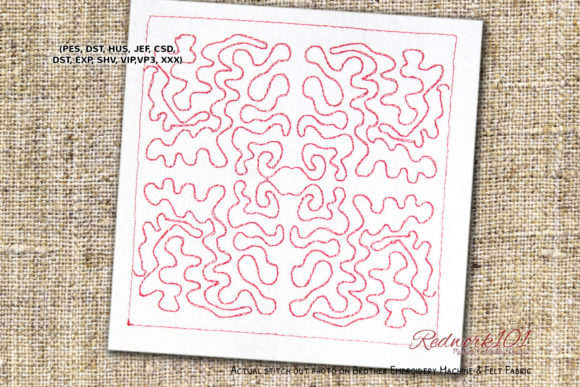
My immediate reaction to the Traditional Sicilian Quilt is one of heritage and comfort. In the category of Intricate Cuts, this design stands out because it does not rely on chaotic complexity; instead, it offers structured elegance. The aesthetic is undeniably rustic yet refined, evoking images of family gatherings, antique textiles, and slow living. For holiday shoppers, this emotional connection is paramount. They are not just buying a personalized gift; they are purchasing a feeling of tradition and permanence.
The decorative style leans towards premium and timeless rather than trendy or playful. This makes it exceptionally versatile for adult-oriented holiday products. While cute reindeer and snowmen have their place, there is a massive, often underserved market for sophisticated seasonal embroidery that adults want to display in their homes or wear themselves. The Traditional Sicilian Quilt fills this gap perfectly, offering a visual texture that suggests high-quality craftsmanship even before the needle touches the fabric.
Strategic Applications for Holiday Selling
When planning my seasonal inventory, I look for designs that can anchor multiple product types. The Traditional Sicilian Quilt is a workhorse for holiday selling situations because of its adaptability. Here is how I envision integrating this embroidery file into a cohesive shop collection:
- Sweatshirt Embroidery: Placed on the left chest or centered on a crewneck, this design elevates a basic garment into a boutique-style piece. The intricate nature of the quilt pattern adds perceived value to fleece and french terry fabrics.
- Kitchen Towel Embroidery: Holiday baking is a major seasonal driver. This design stitches beautifully on linen or cotton tea towels, serving as both a functional tool and a decorative accent. It pairs well with monograms for a complete handmade gift set.
- Tote Bag Design: Shoppers need sturdy bags for holiday markets and gift carrying. The geometric stability of the Sicilian Quilt pattern provides excellent coverage on canvas totes without looking sparse.
- Pillow Cover Accents: For home decor enthusiasts, this design works as a centerpiece on throw pillows. It brings a tactile, textile-inspired look to living spaces that complements other seasonal decorations.
- Embroidered Patches: Creating standalone patches allows customers to customize their own items later. This is a great low-cost entry point for Etsy sellers looking to offer add-ons.
From a marketing perspective, this design photographs exceptionally well. When creating printable mockups or social media previews, the detailed lines of the Traditional Sicilian Quilt create natural shadows and depth, making digital listings pop in crowded holiday feeds.
Navigating Technical Constraints and Fabric Choices
While the Traditional Sicilian Quilt is versatile, it requires careful consideration regarding placement and materials. As an experienced designer, I must emphasize where caution is needed to ensure customer satisfaction and reduce support tickets.
Hoop Size and Detail Integrity
Because this falls under Intricate Cuts, resizing is a critical factor. Always confirm the minimum hoop size recommended by the digitizer before attempting to shrink this design for small items like ornaments or baby bibs. Reducing intricate quilt patterns too aggressively can cause stitch density issues, leading to thread breaks or lost detail. If you plan to use this on smaller goods, verify that the file includes a specifically digitized small version rather than relying on software scaling.
Fabric Texture and Stabilizer Selection
The success of this digital embroidery file depends heavily on your substrate. On thick towels or plush fleece, the intricate details may get swallowed by the pile. In these cases, using a water-soluble topping is non-negotiable to keep the stitches crisp. Conversely, on stretchy garments like sweatshirts, proper stabilizer choice is vital to prevent puckering. The geometric lines of a quilt design will show distortion immediately if the fabric shifts during stitching. I recommend testing on a scrap of your exact fabric texture before running production batches.
Color Management and The Optional Box Stitch
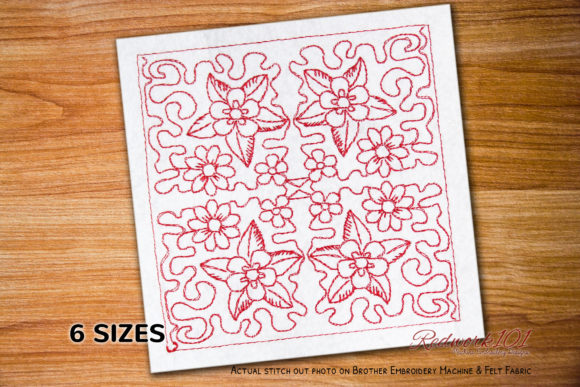
A unique feature of this design is the optional Box Stitch. As noted in the product details, the color of the outer box differs in most designs unless integrated into the motif itself. This is a brilliant opportunity for customization but requires planning. For holiday collections, consider swapping the outer box color to match seasonal palettes—deep forest greens, cranberry reds, or metallic golds. However, always test thread colors on both light and dark fabrics first. A contrast that looks elegant on screen might appear muddy on burgundy velvet or washed out on cream linen.
Enhancing Brand Value and Customer Trust
Incorporating the Traditional Sicilian Quilt into your lineup signals to buyers that your brand values quality and tradition. During the holiday season, when consumers are bombarded with cheap, mass-produced goods, a well-executed piece of commercial embroidery stands out. This design supports higher price points because it looks labor-intensive and thoughtful.
For small shop products, consistency builds trust. Using this design across multiple categories—matching aprons and oven mitts, or coordinating pillow covers and table runners—creates a collectible feel. Customers are more likely to return if they see a cohesive aesthetic. Furthermore, because this design evokes heritage, it appeals to buyers looking for meaningful connections rather than disposable trends. It transforms a simple finished product into a keepsake.
Designer Notes for Seasonal Success
Before listing items featuring the Traditional Sicilian Quilt, run through this practical checklist to ensure professional results:
- Verify Licensing: Confirm your commercial licensing terms allow for the sale of finished seasonal products. Never assume; always check the specific rights attached to the embroidery file.
- Test Stitch Density: Run a sample on your primary holiday fabric. Check the back of the embroidery; excessive bobbin thread showing on top indicates tension issues that will ruin the quilt effect.
- Plan Color Palettes Early: Order your holiday threads well in advance. Since the outer box color varies, map out which thread corresponds to which product SKU to avoid fulfillment errors.
- Create Realistic Mockups: Avoid flat, digital-only representations. Photograph the actual stitched design on the intended item. Buyers need to see how the holiday embroidery interacts with fabric folds and lighting.
- Review Small Details: After stitching, inspect the corners and intersections of the quilt pattern. These areas are prone to buildup in intricate designs. Trim any jump stitches meticulously; clean finishing is what separates hobbyists from professionals.
The Traditional Sicilian Quilt is more than just a pattern; it is a strategic asset for the holiday season. By respecting its technical requirements and leveraging its emotional resonance, you can create a collection that delights customers and strengthens your brand's reputation for quality. Whether you are stitching for craft fairs, updating your Etsy shop, or creating family heirlooms, this design offers the perfect blend of tradition and tangible beauty that defines the best of seasonal crafting.