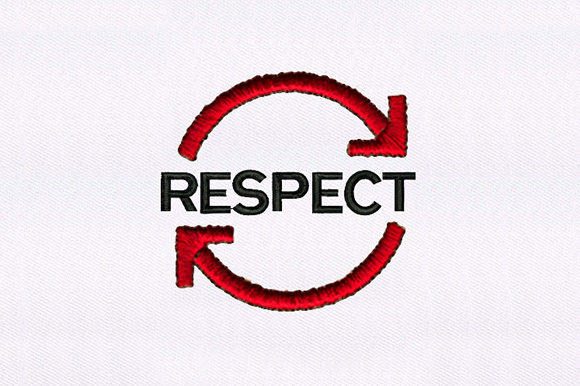
Reciprocating Respect Design: A Holiday Embroidery Review
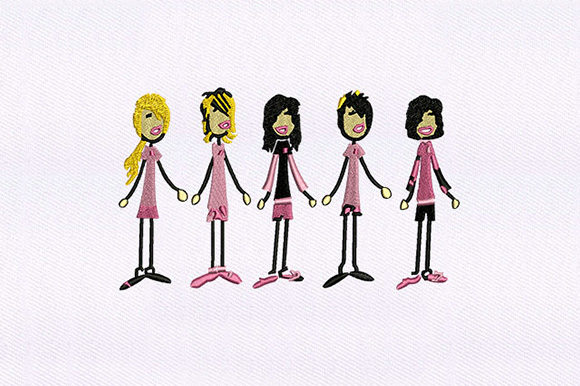
As the holiday season approaches, my design queue fills with requests for meaningful, high-quality embroidery that transcends typical festive clichés. When curating a seasonal collection for my Etsy shop and local craft fair booth, I look for files that offer both emotional resonance and technical reliability. The Reciprocating Respect Design caught my attention as a unique addition to my holiday lineup. Categorized under Awareness, this machine embroidery design offers a sophisticated alternative to standard seasonal graphics, appealing to customers seeking personalized gifts with deeper sentiment. As an experienced embroidery designer, I have evaluated this digital embroidery file to determine its viability for commercial holiday products, from sweatshirt embroidery to home decor.
First Impressions: Emotional Tone and Seasonal Fit
My initial review of the Reciprocating Respect Design focused on its aesthetic versatility. Unlike overtly religious or cartoonish holiday art, this design carries a tone of dignified warmth. It feels modern yet timeless, striking a balance that is essential for broad seasonal appeal. The artwork suggests connection and mindfulness, making it particularly suitable for the "conscious gifting" trend currently dominating the handmade market. For Etsy sellers and small business owners, this emotional tone is a significant asset. It allows the finished product to serve as more than just decoration; it becomes a statement piece.
Visually, the design appears clean and intentional. In the context of holiday embroidery, where clutter is common, this clarity stands out. It evokes a sense of peace and mutual regard, which aligns perfectly with family-oriented seasonal items. Whether stitched on a cozy fleece sweatshirt or a linen pillow cover, the design communicates respect and care without needing excessive embellishment. This makes it an excellent candidate for buyers looking for meaningful awareness items that still fit within a festive, gift-giving context.
Strategic Applications for Holiday Product Lines
When planning a seasonal inventory, versatility is key to maximizing return on investment. The Reciprocating Respect Design performs exceptionally well across multiple product categories. Here is how I envision integrating this embroidery file into a profitable holiday collection:
- Sweatshirt Embroidery: Placed on the left chest or centered on the back, this design transforms a basic crewneck into a premium personalized gift. The message resonates with adult shoppers buying for friends, partners, or themselves during the reflective end-of-year period.
- Tote Bag Design: Canvas totes are staple holiday sellers. This design adds value by turning a utility item into a conversation piece about community and respect, perfect for teachers, social workers, or activists on your gift list.
- Kitchen Towel Embroidery: For hostess gifts, this design offers a thoughtful alternative to generic "Eat, Drink, Be Merry" text. Stitched on flour sack towels, it serves as a gentle reminder of gratitude during chaotic holiday gatherings.
- Pillow Cover and Home Decor: Seasonal home decor often gets packed away in January. However, because this design focuses on universal values rather than specific holidays, it has year-round shelf life while still feeling appropriate for winter nesting.
- Embroidered Patches: Creating iron-on patches from this design allows for low-cost, high-margin add-ons at craft fairs. Customers can customize their own denim jackets or bags, increasing engagement at your booth.
For commercial embroidery businesses, this design supports bundle creation. Pairing a sweatshirt with a matching tote bag featuring the Reciprocating Respect Design creates a cohesive "Mindful Holiday" gift set, increasing average order value.
Technical Considerations and Stitching Best Practices
A beautiful concept fails if the stitch-out is poor. As a professional, I must emphasize that technical execution dictates customer satisfaction. While the Creative Fabrica embroidery listing provides formats including PES, DST, JEF, VP3, and XXX, you must verify specific hoop size and stitch density before production. Always check the product details page for exact dimensions to ensure compatibility with your machine.
Stabilizer and Fabric Texture: Given the likely detail in an awareness-themed design, proper stabilization is non-negotiable. For sweatshirt embroidery, use a medium-weight cutaway stabilizer to prevent puckering on stretchy knits. If stitching on kitchen towels or textured fabrics, employ a water-soluble topping to keep stitches crisp and legible. The fabric texture significantly impacts the final look; smooth, tightly woven fabrics will yield the most professional results for detailed lettering or intricate motifs.
Thread Colors and Testing: Never assume screen colors translate perfectly to thread. I strongly recommend running a test stitch-out on scrap fabric identical to your final product. Test thread colors on both light and dark backgrounds to ensure contrast and readability. During the holidays, consider using metallic threads for accents to elevate the perceived value, but do so cautiously. Metallic threads require larger needles and slower speeds to prevent breakage. If the design includes tiny lettering, avoid metallics entirely to maintain legibility.
Hoop Size Management: Ensure you are using the smallest hoop size possible for the design area to maintain tension. Over-hooping can lead to registration issues, especially if the Reciprocating Respect Design includes multi-color stops or precise alignment points. If resizing is necessary, do not exceed 10-15% of the original size to preserve stitch integrity.
Navigating Production Challenges
Even premium digital embroidery files have limitations based on application. There are specific scenarios where I would advise using the Reciprocating Respect Design with caution:
- Curved Caps and Small Hoops: If the design contains horizontal text or wide elements, it may distort on curved surfaces like baseball caps. Verify the aspect ratio fits your cap frame before committing.
- High-Pile Fabrics: On plush blankets or thick terry cloth, fine details can get lost. You may need to increase stitch density or simplify the design version for these substrates.
- Frequent Washing: For baby items or aprons that require hot washing, ensure the stitch type is durable. Satin stitches should be adequately underlaid to prevent fraying over time.
- Dark Fabric Contrast: If the design relies on subtle shading, it may disappear on black or navy garments. Plan for a lighter outline or background fill to make the design pop on dark seasonal apparel.
Maximizing Sales Through Presentation and Licensing
The success of a seasonal embroidery project depends as much on marketing as on stitching. When listing finished products derived from the Reciprocating Respect Design, invest time in creating realistic mockups. A printable mockup that shows the design on a wrinkled, natural-fabric sweatshirt sells better than a flat digital render. Buyers need to visualize the tactile quality of the handmade gift.
Social media previews are equally important. Film the stitching process to demonstrate the care and quality involved. Highlight the "Awareness" aspect in your captions to connect with niche audiences searching for meaningful holiday content. This builds customer trust and positions your brand as thoughtful and authentic.
Finally, always review the Creative Fabrica licensing terms before selling. Confirm whether the license covers commercial use for physical products and if there are limits on production quantity. Respecting these terms protects your business and supports the original digitizer. By combining technical diligence with strategic marketing, the Reciprocating Respect Design can become a cornerstone of a successful, emotionally resonant holiday product line that delights customers and drives sales throughout the season.