Wax Worm Lineart Design: A Stitcher’s Review
When evaluating a new machine embroidery design for my studio, I look past the digital preview and immediately imagine how it will behave under the needle. The Wax Worm Lineart Design caught my attention not because it is a traditional floral or monogram, but because niche nature themes are currently driving engagement in the handmade market. As a designer who frequently creates custom apparel and personalized gifts for clients with specific interests, I needed to know if this file could transition from a screen to a tangible, high-quality product without frustrating puckering or lost details.
First Impressions and Visual Personality
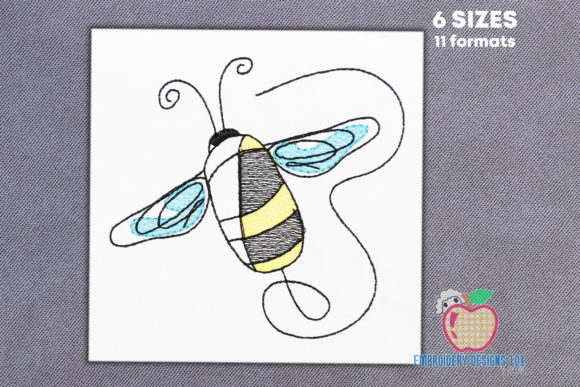
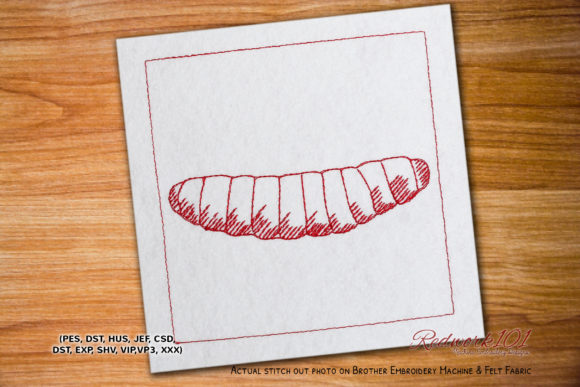
My initial assessment of the Wax Worm Lineart Design is that it leans heavily into a scientific illustration aesthetic rather than a cartoonish bug motif. This distinction matters significantly for Etsy sellers and small shop products. The lineart style suggests a level of sophistication that appeals to adult collectors, educators, and nature enthusiasts, rather than just children. The visual weight feels balanced; it does not appear overly dense, which is often the downfall of intricate insect designs.
One critical feature noted in the product details is the optional box stitch. In my experience testing similar embroidery files, these framing elements can sometimes feel disconnected from the central motif. However, having the option to remove it directly in your machine software is a massive advantage for versatility. It allows me to use the same digital embroidery file for a framed patch with the border included, or a clean, standalone chest logo on a sweatshirt embroidery project by simply skipping that color stop. This flexibility is essential for maintaining brand consistency across different merchandise types without purchasing multiple variations.
Real-World Application: The Entomology Tote Bag
To truly test the viability of this design, I approached it with a specific client scenario in mind: creating a series of educational tote bags for a local nature center gift shop. For this tote bag design application, the fabric was unbleached canvas, which presents unique challenges regarding texture and contrast.
During the planning phase for this embroidery project, I considered how the lineart would interact with the coarse weave of the canvas. Lineart relies on precision; if the stitches sink into the fabric texture, the definition vanishes. I found that this design performs best when treated as a technical drawing. Because the outer box color is distinct and optional, I chose to skip it entirely for the tote bags to let the organic shape of the wax worm breathe against the natural fabric. This decision transformed the piece from a generic graphic into a bespoke handmade product that looked intentional and curated.
For the thread selection, I avoided standard bright greens or yellows often associated with bugs. Instead, I opted for variegated earth tones and deep charcoals to enhance the scientific mood. This choice elevated the perceived value of the finished item, making it suitable for boutique retail rather than just craft fair pricing. If you are an Etsy seller looking to stand out, remember that thread color choice in lineart designs dictates whether the final piece looks like clip-art or art.
Fabric Compatibility and Stabilization Strategy
While the Wax Worm Lineart Design is versatile, it requires careful consideration regarding substrate. Lineart generally uses running stitch or narrow satin columns, which are less forgiving than heavy fill stitch areas. Here is my practical breakdown of where this design succeeds and where caution is needed:
- Woven Cottons and Canvas: Ideal candidates. The stability of these fabrics supports crisp lines. Use a medium-weight cutaway stabilizer for permanent items like aprons or pillow covers to prevent distortion over time.
- Stretchy Knits and Sweatshirts: Proceed with care. Lineart can tunnel on jersey knits if the stitch density is too tight or the stabilizer is insufficient. Always use a fusible mesh or adhesive spray to lock the fabric grain before hooping.
- Caps and Curved Surfaces: Test first. The linear nature of this design may warp on the curved surface of a hat unless properly digitized for 3D puff or cap-specific tension. If the file is flat-digitized, stick to flat garments or patches.
- Sheer or Lightweight Fabrics: Not recommended unless used as an applique design base. The contrast required for lineart visibility often necessitates backing that shows through delicate materials.
I strongly advise against using this specific design on high-pile towels or fleece without a water-soluble topping. The fine lines of the wax worm will get lost in the nap, resulting in a messy finish that diminishes customer trust in your craftsmanship.
Technical Considerations for Commercial Use
For those running a craft business or selling design assets, understanding the technical limits is non-negotiable. Before listing a finished product featuring the Wax Worm Lineart Design, verify your hoop size compatibility. While the design might fit physically, ensure there is adequate margin for the hoop to grip the stabilizer securely. Crowding the edges leads to registration errors, especially in continuous line work.
Regarding the optional box element mentioned in the description: treat this as a separate object in your editing software. Do not rely on color sorting alone to skip it during production runs. Manually deleting the object from the working file prevents accidental stitching and saves thread. This small step streamlines workflow for commercial embroidery batches where efficiency equals profit.
Furthermore, consider the washability of your chosen threads. If this design is intended for baby embroidery or kitchen linens, ensure your thread is colorfast and bleach-resistant. Lineart shows wear differently than solid fills; a broken stitch in a continuous line is immediately visible. Using high-quality polyester or mercerized cotton threads ensures the personalized gift maintains its integrity after repeated laundering.
Evaluating Market Fit and Customer Appeal
Does this design actually sell? Based on current trends in the maker community, yes, but with caveats. Generic bug designs saturate the market, but specific species like the wax worm target a passionate micro-niche. Anglers, beekeepers, and biology teachers are demographics actively seeking accurate representation over stylized cartoons.
When creating printable mockups or listing photos, showcase the design on textured backgrounds that complement the scientific theme. Avoid neon or overly busy backdrops. Let the precision of the embroidery speak for itself. For holiday embroidery, this design pairs surprisingly well with rustic winter aesthetics, moving away from traditional snowmen and reindeer to offer something unique for the nature lover on your gift list.
However, be transparent about the design's character. It is not "cute" in the traditional sense; it is fascinating. Setting this expectation prevents returns from customers expecting a kawaii aesthetic. Clear communication about the artistic style builds long-term buyer engagement and establishes your shop as a source for thoughtful, specialized goods.
Final Designer Verdict
The Wax Worm Lineart Design is a strong contender for makers willing to embrace niche themes. Its success lies in execution: proper stabilization, intelligent thread selection, and strategic use of the optional framing elements. It is not a grab-and-go file for every fabric type, but for the right project—be it a custom patch, an educational tote, or a collector’s garment—it offers professional results that justify a premium price point.
Always run a sew-out on scrap fabric identical to your final project before committing to production. Check the licensing terms of your embroidery file to confirm whether you can sell physical items or if digital redistribution is prohibited. By treating this design with technical respect and creative intention, you transform a simple digital asset into a signature piece for your embroidery portfolio.