Cute Little Bumble Bee Sketch: A Business Design Review
As an experienced embroidery designer specializing in commercial merchandise, I approach every new machine embroidery design with a critical eye toward production viability and brand longevity. When evaluating the Cute Little Bumble Bee Sketch for small business applications, my primary focus shifts from simple aesthetics to functional durability. This design falls under the Bugs category, but its utility extends far beyond nature-themed projects. For shop owners, Etsy sellers, and apparel decorators, this sketch-style digitization offers a unique opportunity to create branded assets that feel organic yet professional. The following review analyzes how this specific embroidery file performs in real-world commercial scenarios, from staff uniforms to retail packaging.
Visual Personality and Brand Alignment
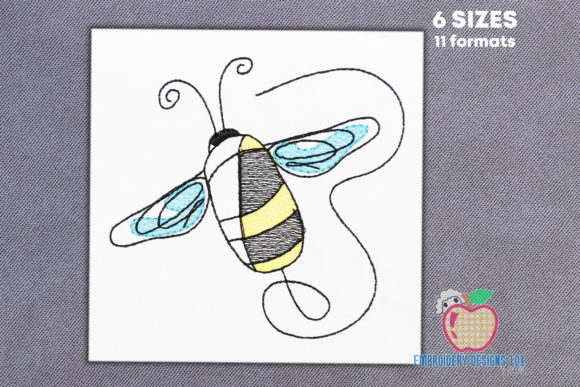
The first impression of the Cute Little Bumble Bee Sketch is distinctly approachable and artisanal. Unlike dense, cartoonish clip art often found in generic libraries, this design utilizes a sketch aesthetic that implies movement and lightness. For a small business, this visual tone is strategic. It communicates friendliness and accessibility without sacrificing clarity. The description notes that these are not 100% filled, which is a significant advantage for branding. Heavy fill stitches can look industrial or stiff on lightweight garments. By utilizing open stitching and outline work, this design maintains the fabric texture of the underlying garment, resulting in a more premium, high-end handmade product appearance.
This stylistic choice aligns perfectly with businesses that rely on warmth and personal connection. Bakeries, florists, pet groomers, and creative studios will find that the sketch style reinforces their brand identity better than rigid corporate logos. It suggests a human touch, which is essential for building customer trust in local markets. However, designers must recognize that "cute" does not mean "unprofessional." The line quality in this digitization appears balanced, ensuring it reads clearly as a deliberate brand mark rather than a doodle.
Commercial Applications for Small Business Merch
Versatility is the hallmark of a profitable digital embroidery file. In my testing workflow, I evaluate how a design translates across different substrates. The Cute Little Bumble Bee Sketch shows strong potential for several key small business merch categories:
- Apron Embroidery: For cafes and bakeries, aprons endure frequent washing and heavy wear. Because this design avoids excessive density, it reduces puckering on canvas or denim aprons while remaining visible against dark fabrics when proper thread colors are selected.
- Tote Bag Design: Canvas totes are staple items for boutiques and markets. The sketch style complements the natural weave of cotton canvas. As a quick stitch design, it keeps production times low, allowing for higher margins on retail merchandise.
- Custom Apparel Accents: Rather than a massive center chest logo, this bee works exceptionally well as a pocket accent, sleeve detail, or cuff emblem. Its smaller footprint allows it to be paired with text-based business logos without overwhelming the garment.
- Embroidered Patch Production: The multiple sizes included with this file make it ideal for patch making. Businesses can produce branded patches for staff hats or sell them as add-on accessories. The non-filled nature means less thread consumption per unit, directly impacting profitability.
For Etsy sellers and craft business owners, this design serves as excellent design assets for creating cohesive product lines. Whether applied to baby onesies, garden flags, or reusable market bags, the consistent visual language helps customers instantly recognize your brand across different product types.
Production Considerations and Technical Limitations
While the Cute Little Bumble Bee Sketch is versatile, professional embroiderers must respect technical boundaries. Sketch designs rely heavily on running stitches and satin outlines. This construction method requires careful attention to stabilization. On stretchy knits or performance fabrics, inadequate stabilizer use will cause registration issues where the outline pulls away from the interior details. Always test on the actual production fabric before committing to a bulk run.
Cap embroidery presents another specific challenge. While this design is suitable for caps, the curved surface of a hat front can distort linear sketch elements. If using this for headwear, select the size specifically optimized for caps if available, or manually adjust the compensation in your editing software. Additionally, because the design is not fully filled, contrast is paramount. Stitching a yellow bee on a cream tote bag may result in poor visibility. For light-on-light applications, consider adding a subtle shadow stitch or outlining the bee in a darker coordinating color to maintain definition.
Washability is another factor for commercial embroidery. Open sketch stitches can sometimes snag more easily than solid fills. For children’s wear or high-friction work uniforms, advise clients to wash garments inside out. Verify the minimum size capabilities of this file; reducing a sketch design too much can cause overlapping stitches and thread breaks. Always adhere to the size specifications provided in the product image to ensure structural integrity.
Enhancing Value Through Professional Execution
The perceived value of custom apparel depends entirely on execution. A beautiful design ruined by poor hooping reflects negatively on the business. When incorporating the Cute Little Bumble Bee Sketch into your catalog, treat it as a premium element. Use high-quality rayon or polyester threads with a sheen that enhances the sketch effect. Matte threads may make the design look flat and unfinished.
Furthermore, consider the placement relative to other branding. This bee should act as a supporting character to your primary business name, not a replacement, unless you have established strong enough recognition that the icon stands alone. Visual consistency builds equity. If you use this bee on your packaging, ensure the thread colors match your printed materials exactly. This cross-media consistency signals professionalism and attention to detail to the buyer.
Designer Notes for Pre-Production Testing
Before loading this embroidery file for a client order or inventory stock, follow this professional validation checklist to ensure success:
- Verify Licensing: Confirm the commercial license terms for the Cute Little Bumble Bee Sketch. Ensure you are permitted to use it for physical merchandise sales and not just personal crafting.
- Check Hoop Size Compatibility: Review the exact dimensions of all included sizes. Ensure they fit within your machine’s maximum field and leave adequate margin for hoop clearance.
- Run a Black and White Test: Stitch a grayscale version first. This reveals the underlying structure and density map without the distraction of color, helping you identify potential jump stitch issues or weak points.
- Evaluate Stabilizer Pairing: Test on both stable (canvas) and unstable (knit) fabrics. Document which stabilizer combination yields the crispest lines for future reference.
- Create a Printable Mockup: Before stitching for a client, generate a digital mockup showing the bee in context on their specific garment. This manages expectations regarding size and placement.
- Inspect Spacing and Trims: Since this is a quick stitch design, verify that trim jumps are logical. Excessive trims increase production time and reduce profit margins on bulk orders.
- Compare Beside Existing Assets: Print a photo of your current branding and hold the stitched sample next to it. Ensure the style weight matches your existing visual identity.
By treating the Cute Little Bumble Bee Sketch with the same rigor as a complex corporate logo, small business owners can transform a simple bug motif into a powerful tool for engagement and sales. It bridges the gap between playful charm and commercial reliability, making it a valuable addition to any professional embroiderer's library.