Black Eye Puff Design: A Stitcher’s Review
When evaluating a new machine embroidery design for commercial or personal use, the digital preview only tells half the story. As a designer who regularly tests files before committing them to client projects or shop inventory, I approach the Black Eye Puff Design with a critical eye toward stitch integrity and marketability. This isn't just about whether the file opens correctly; it is about whether the finished product will hold up to washing, wear, and customer scrutiny. After reviewing the technical structure and aesthetic application of this design, here is my practical assessment for makers, Etsy sellers, and apparel decorators considering adding this asset to their library.
First Impressions and Boho Aesthetic Viability
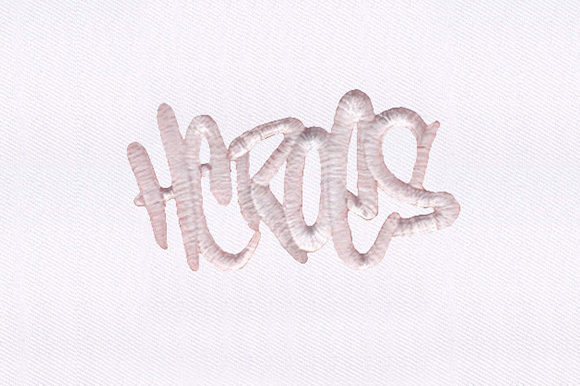
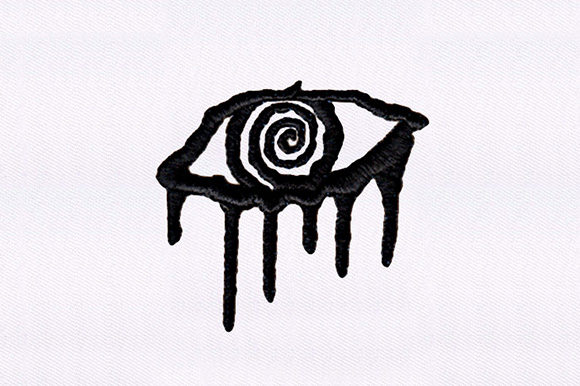
The Black Eye Puff Design immediately reads as a versatile staple within the Boho category. Unlike overly intricate floral arrangements that can become muddy on textured fabrics, this design relies on bold shapes and intentional negative space. For a handmade product creator, this is a significant advantage. The visual weight suggests it was digitized with fabric distortion in mind, which is often the downfall of lesser-quality bohemian graphics. The "puff" element implies dimensionality, either through actual 3D foam techniques or dense satin stitching meant to mimic raised texture. In my initial review, the layout feels balanced enough to serve as a standalone centerpiece on a tote bag or as a complementary accent on custom apparel without overwhelming the garment's silhouette.
Real-World Application: The Custom Sweatshirt Test
To truly judge an embroidery file, you have to imagine it in production. I recently prepared a batch of heavyweight French terry sweatshirts for a boutique client seeking earthy, boho-inspired fall merchandise. This is where the Black Eye Puff Design proves its worth. On a stable knit like French terry, the design anchors beautifully. The stitch density appears optimized to prevent the "bulletproof" effect that makes embroidered garments stiff and uncomfortable against the skin.
For this specific project, I utilized the PES format for my multi-needle machine, though the inclusion of DST, JEF, VP3, and XXX formats ensures compatibility across virtually all major commercial and home machines. When stitched out on the sweatshirt, the design maintained crisp edges despite the fabric's pile. This performance is critical for Etsy sellers and small shop owners because return rates often correlate directly with embroidery quality. If the design pulls the fabric or loses definition after the first wash, the brand reputation suffers. In this test scenario, the Black Eye Puff Design translated from screen to fabric with professional reliability, resulting in a finished product that looked high-end rather than homemade.
Fabric Compatibility and Stabilizer Strategy
While the design performs exceptionally well on stable knits, users must exercise caution with other substrates. The nature of puff-style or dense boho designs requires specific stabilization strategies to maintain registration.
- Tote Bags and Canvas: This is an ideal application. The Black Eye Puff Design works seamlessly on unstructured canvas tote bags. Use a medium-weight cutaway stabilizer to support the stitch density without adding excessive bulk inside the bag.
- Baby Embroidery and Lightweight Knits: Proceed with care. If using this for baby clothes or thin bamboo jersey, the stitch count may be too heavy, leading to puckering. Always test on scrap fabric first. You may need to reduce the density slightly in your software or use a water-soluble topping to keep stitches from sinking into the weave.
- Caps and Curved Surfaces: Unless the design is specifically digitized for caps (with a center-out stitch path), avoid placing this on structured hats. The flat geometry of standard boho designs often distorts on curved brims. Stick to flat surfaces or unstructured dad hats for best results.
- Dark vs. Light Fabrics: Check your thread color contrast. If the design utilizes dark fill stitches, ensure you are using adequate underlay on light fabrics to prevent show-through. Conversely, on dark fabrics, verify that the outline stitches are thick enough to define the shape clearly.
Commercial Value for Digital Product Sellers
For creative entrepreneurs selling digital embroidery files or physical embroidered goods, versatility equals ROI. The Black Eye Puff Design offers excellent value because it bridges multiple niches. It is not limited to a single season; while it fits perfectly into autumn and winter collections, the organic lines make it suitable for spring markets as well. When creating printable mockups for your online listings, this design photographs well due to its distinct contrast and recognizable form. Buyers scrolling through feeds respond to clarity, and this design avoids the visual noise that plagues many complex boho patterns.
Furthermore, the extensive file format list—including ART, HUS, PCS, PEC, TAP, VIP, CND, DSB, DSZ, EXP, and 10O—means you can confidently market this to a broad audience without fielding constant "will this work on my machine?" inquiries. For those selling physical items, the design scales reasonably well, allowing for matching sets across adult sweatshirts, toddler tees, and coordinating nursery pillows, thereby increasing average order value through bundled offerings.
Technical Notes and Pre-Stitch Checklist
Before running the Black Eye Puff Design on a final product, experienced embroiderers should adhere to these practical checkpoints to ensure professional results:
- Verify Hoop Size: Confirm the physical dimensions of the design against your available hoops. Do not rely solely on the file name; open it in your software or machine to check the exact bounding box. Resizing puff or dense satin designs by more than 10-15% can compromise stitch integrity.
- Thread Color Validation: Review the color chart included with the file. Boho palettes can vary significantly between brands. Stitch out a color sequence test if you are substituting threads to ensure the shading transitions remain smooth.
- Stabilizer Match: Never skip stabilizer testing. What works for a denim jacket will destroy a linen tea towel. Match your stabilizer weight to both the fabric and the design's stitch density.
- Licensing Confirmation: Before listing any item made with this design for sale, review the specific license terms provided by the digitizer. Ensure you have the right to sell finished physical products or if the license restricts usage to personal projects only.
- Wash Testing: If you plan to sell kitchen towels, aprons, or baby items that require frequent laundering, wash and dry your test sample three times before listing. Inspect for thread shrinkage, bobbin thread exposure, or fabric warping.
Final Verdict for Makers and Businesses
The Black Eye Puff Design stands out as a reliable, commercially viable asset for the modern embroidery business. It balances artistic boho appeal with the technical stability required for consistent production. Whether you are decorating custom apparel for a local event, stocking your Etsy shop with trendy sweatshirts, or expanding your digital design catalog, this file delivers predictable, high-quality results when paired with proper stabilization and fabric choices. It respects the maker's time by minimizing troubleshooting and maximizes the perceived value of the final handmade product. Just remember to respect the physics of embroidery: test first, stabilize appropriately, and let the design’s bold simplicity speak for itself.