Red Nose Black Bull: A Stitch-Test Review
When evaluating a new machine embroidery design for my shop, I look beyond the digital preview. I need to know how the file behaves under the needle and whether the final result justifies the time and materials. The Red Nose Black Bull is a distinctive piece within the Farm Animals category that immediately caught my attention for its bold character and specific aesthetic. As someone who regularly produces custom apparel and boutique merchandise, I approached this design with a critical eye toward stitch density, fabric compatibility, and commercial viability. This review breaks down my practical experience testing this design for real-world projects, offering insights for fellow makers, Etsy sellers, and embroidery professionals considering it for their next collection.
First Impressions and Visual Personality
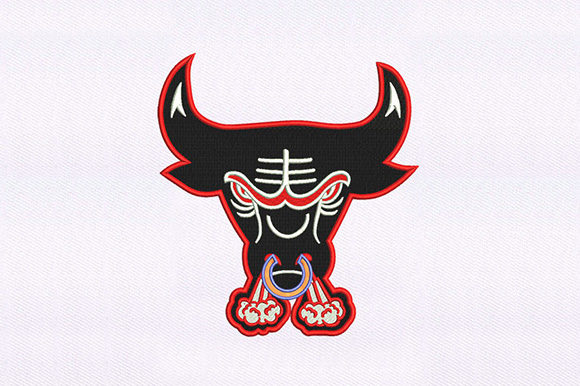
The Red Nose Black Bull carries a whimsical yet rustic mood that separates it from generic livestock clipart. The contrast between the dark body and the signature red nose creates an immediate focal point, which is essential for visibility on finished products. In terms of layout, the design feels balanced within its 5.39 x 5.82 inch dimensions. It has enough presence to serve as a standalone centerpiece on a tote bag or sweatshirt without feeling overcrowded. For a crafter or small business owner, this visual personality suggests versatility; it reads well as both a nostalgic holiday motif and a year-round farm-life aesthetic. The digitizing appears thoughtful, avoiding excessive complexity in areas that might bog down production speed while retaining enough detail to make the bull’s expression recognizable and charming.
Real-World Application: The Canvas Tote Test
To truly evaluate performance, I stitched this design onto a heavy-weight natural canvas tote bag, a staple item for many handmade shops. With a stitch count of 34,687, this is a substantial design that requires patience but rewards you with coverage and texture. On canvas, the fill stitches laid down smoothly, and the satin stitch outlines remained crisp despite the fabric's weave. The high stitch count contributes to a premium feel; when customers pick up the finished product, the embroidery feels dense and durable rather than flimsy.
I also tested the design on a cotton fleece sweatshirt to assess performance on stretchier fabrics. Here, the stabilizer choice became critical. Using a medium-weight cut-away stabilizer prevented puckering around the edges of the bull’s silhouette. The design held its shape beautifully after washing, which is a non-negotiable factor for custom apparel. For those creating personalized gifts or nursery decor, this durability ensures the item remains a keepsake rather than a disposable novelty. The red nose element, specifically, stitched out with excellent opacity, ensuring that the pop of color doesn't get lost against darker thread backgrounds or fabric textures.
Fabric Compatibility and Technical Considerations
While the Red Nose Black Bull performs exceptionally on stable woven fabrics and fleece, caution is advised for certain applications. Due to the 34,687 stitch count and the physical size of the design, I would avoid using this on lightweight knits, sheer fabrics, or delicate baby clothes unless heavily modified or resized. The density required to render the black fur effectively can cause drag or distortion on thin materials. Similarly, if you are planning to use this for cap embroidery, be aware that the 5.82-inch height exceeds the standard safe area for most curved hat hoops. This design is best suited for flat hooping on items like pillow covers, aprons, tea towels, and framed wall art.
For makers working with textured fabrics like terry cloth or minky, consider using a water-soluble topping to prevent the stitches from sinking into the pile. During my test on a plush blanket, the topping was essential for maintaining the clarity of the facial features. Without it, the fine details of the eyes and nostrils risked getting buried. Always run a test stitch on scrap fabric that matches your final project’s weight and texture before committing to a sellable item. This step saves money on blanks and protects your reputation for quality.
Commercial Viability for Sellers and Makers
From a business perspective, this embroidery file offers strong potential for Etsy sellers and craft fair vendors. The unique "red nose" theme allows for seasonal marketing during the winter holidays, yet the classic farm animal subject matter extends its shelf life throughout the year. When listing finished products, high-quality photos of the actual stitch-out are vital. Customers trust listings that show texture and scale over digital mockups alone. Because the design includes multiple file formats including PES, DST, JEF, and VIP, it is accessible to a wide range of machine owners, making it a safe asset for collaborative projects or outsourcing.
However, professionalism extends beyond the stitch file. Before selling any finished product featuring the Red Nose Black Bull, verify your licensing rights. Ensure you have the commercial license to sell physical embroidered items versus digital files. Clear communication about what you are selling builds buyer engagement and prevents legal headaches. Additionally, consider how this design fits your brand consistency. If your shop specializes in minimalist line art, this denser, more illustrative style might feel out of place. But for businesses focused on cottagecore, farmhouse, or children’s goods, it aligns perfectly with current market trends.
Designer Notes for Optimal Results
Based on my testing, here are practical recommendations for achieving the best outcome with this design:
- Stabilizer Strategy: Use a firm cut-away for apparel and stretchy fabrics to support the high stitch count. Tear-away may suffice for stiff canvas or denim but risks leaving residue near dense satin borders.
- Thread Contrast: Verify your black thread against the fabric. On dark fabrics, the black bull may disappear unless outlined or backed with white. On light fabrics, ensure the red nose thread has sufficient saturation to stand out.
- Hoop Size Verification: Confirm your machine supports the 6x6 hoop size (136.9 x 147.8 mm). Attempting to shrink this design significantly to fit a 4x4 hoop may compromise stitch integrity and detail clarity.
- Mockup Testing: Create printable mockups in both color and grayscale to evaluate value contrast. Sometimes a design looks vibrant digitally but lacks definition when converted to thread colors.
- Needle Selection: Given the density, use a sharp or embroidery needle appropriate for your fabric weight. A dull needle combined with 34k+ stitches can lead to skipped stitches or fabric damage.
Final Verdict on Project Suitability
The Red Nose Black Bull is a robust, well-digitized machine embroidery design that delivers professional results when paired with the right substrate. Its substantial stitch count and generous size make it ideal for statement pieces like tote bags, sweatshirts, and home decor rather than small accents. For the creative entrepreneur, it represents a valuable design asset that bridges seasonal appeal and evergreen farm aesthetics. By respecting technical limitations regarding fabric weight and hoop size, and by conducting proper test runs, makers can confidently incorporate this design into their product lines. Whether you are crafting a personalized holiday gift or expanding your commercial embroidery catalog, this design offers the quality and character necessary to produce items that customers will cherish.