Forest with River Quick Stitch: A Designer Review
As an embroidery designer constantly sourcing reliable assets for commercial projects, I approach every new machine embroidery design with a critical eye. When browsing Creative Fabrica embroidery collections, it is easy to get lost in the sheer volume of options, but finding a design that balances aesthetic appeal with production efficiency is rare. Recently, I evaluated the Forest with River Quick Stitch for a potential line of nature-inspired tote bags and lightweight apparel. While the product category is listed as Beach, the versatile woodland and water motif actually bridges the gap between coastal vibes and forest retreats, making it a unique candidate for various handmade products.
First Impressions and Visual Mood
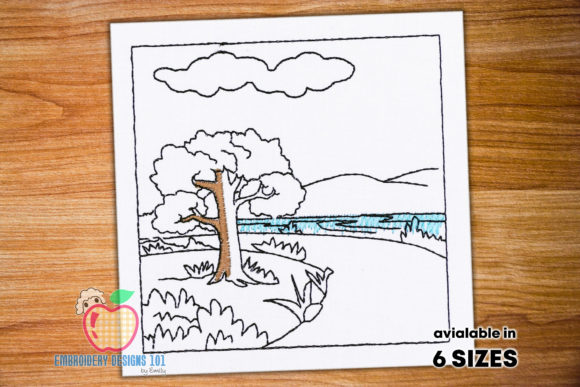
The immediate appeal of the Forest with River Quick Stitch lies in its artistic interpretation of nature without the heavy stitch count typically associated with scenic landscapes. As a professional, my first concern with landscape designs is usually density; traditional scenery can be bulletproof and prone to puckering. However, this design explicitly markets itself as a "Quick Stitch" variant that is not 100% filled. This indicates a deliberate choice to let the fabric texture breathe through the design, creating a softer, more organic look.
Visually, the design carries a tranquil mood suitable for relaxation wear or home decor. The interplay between the forest elements and the river suggests movement and depth, yet the quick stitch style implies a sketch-like or impressionistic quality rather than photorealism. For Etsy sellers and boutique owners, this aesthetic aligns perfectly with current trends favoring minimalist, boho, or cottagecore styles. It feels less like a rigid clipart transfer and more like a thoughtful piece of textile art, which significantly enhances the perceived value of the finished product.
Performance on Real-World Projects
I considered this embroidery file specifically for a run of canvas tote bags and unisex sweatshirts. Because the design is not fully filled, it performs exceptionally well on textured fabrics where heavy fill stitch areas would otherwise fight against the weave of the material. On a natural linen tote bag, the negative space allows the fabric's character to become part of the design itself. This is a massive advantage for commercial embroidery businesses looking to reduce thread consumption and machine runtime while maintaining high visual impact.
For custom apparel like sweatshirts or t-shirts, the lower density is a technical blessing. Heavy designs on knit fabrics often cause distortion or require excessive stabilizer that leaves a stiff halo. The Forest with River Quick Stitch mitigates this risk, allowing the garment to retain its drape and softness. This makes it ideal for baby items or nursery decor where comfort is non-negotiable. Even though the category suggests beachwear, I can easily envision this on a denim apron for a garden center or a pillow cover for a cabin rental. The versatility stems from its artistic abstraction; it reads as "water and trees" regardless of whether the end user is heading to the shore or the woods.
Evaluating Stitch Structure and Technical Details
When integrating any digital embroidery file into a production workflow, understanding the stitch structure is vital. Since this is a quick stitch design, users should expect a combination of running stitch outlines and lighter fill areas rather than dense satin columns. This structure is generally forgiving on stretchy fabrics, but it does require attention to stabilization. Because the design relies on the fabric showing through, you cannot use a tear-away stabilizer that might leave fuzzy residue visible in the open areas. A lightweight cut-away or wash-away stabilizer is often the better choice to maintain clean negative spaces.
One practical note for designers: verify the specific hoop size requirements before purchasing. The product description mentions multiple sizes are included, which is excellent for scaling across different products. However, always confirm that the smallest size retains legible details. In quick stitch designs, reducing the size too much can sometimes cause running stitches to merge or disappear. I recommend testing the smallest intended size on scrap fabric to ensure the river and tree details remain distinct. Additionally, check the stitch density settings in your software if you plan to resize; keeping the density consistent ensures the "quick stitch" aesthetic remains intentional rather than looking sparse due to improper scaling.
Commercial Viability and Product Value
For creative entrepreneurs and small business owners, time is money. The primary selling point of the Forest with River Quick Stitch is right in the name: speed. In a commercial setting, shaving two or three minutes off each hoop run adds up significantly over a batch of 50 items. This efficiency allows for faster turnaround times on personalized gift orders or craft fair inventory without sacrificing quality. Furthermore, the reduced thread usage lowers the cost of goods sold, potentially improving profit margins on tote bag design projects or sweatshirt embroidery listings.
Beyond production metrics, this design supports brand consistency for shops focusing on eco-friendly or sustainable themes. The lighter stitch footprint uses fewer synthetic threads and puts less stress on garments, extending their lifespan. When photographing these items for printable mockup presentations or social media, the texture-rich appearance photographs beautifully in natural light, highlighting the craftsmanship. Customers appreciate products that feel handmade and thoughtful rather than mass-produced and plastic-like. Using design assets that prioritize fabric integration over total coverage signals to buyers that you understand quality textile decoration.
Practical Notes for Embroiderers
Before adding this to your next collection, keep these practical considerations in mind to ensure success:
- Test on Scrap Fabric: Always stitch out the design on the exact fabric you intend to use. The interaction between the quick stitch lines and the fabric grain can vary wildly between cotton, linen, and knits.
- Thread Color Contrast: Since the design is not 100% filled, thread color selection is crucial. Low contrast threads may make the design look washed out against the fabric. Test both light and dark fabric mockups to see which offers the best definition.
- Stabilizer Selection: Avoid heavy tear-aways. Opt for stabilizers that leave the negative space clean, as the fabric visibility is a key feature of this applique design alternative.
- Licensing Verification: Before selling finished items, thoroughly review the license terms on the Creative Fabrica product page. Ensure your intended commercial use aligns with the designer’s permissions.
- Detail Inspection: After stitching, inspect small details like the river banks or tree branches. If they are lost at smaller sizes, consider using the larger versions for caps or patches where detail retention is critical.
Final Thoughts for Makers
The Forest with River Quick Stitch represents a smart intersection of artistry and utility. It challenges the notion that embroidery must be dense to be valuable, offering a breathable, efficient alternative for modern makers. Whether you are creating a seasonal handmade product line, stocking up for a summer market, or fulfilling custom orders, this design provides a reliable foundation. Its ability to adapt from beach-themed accessories to forest-nursery decor makes it a versatile asset in any embroidery file library. Just remember to respect the technical nuances of quick stitch designs, and you will find it to be a profitable and beautiful addition to your repertoire. Always refer back to the specific product details on Creative Fabrica for the most accurate information regarding formats and sizing before beginning your project.