Love Little Bears: A Designer’s Review for Gifts
As an embroidery designer who has spent years testing digital files before they ever touch a customer’s order, I approach every new machine embroidery design with a critical eye. When planning inventory for personalized gifts, we aren't just looking for cute graphics; we are looking for reliability, stitch-out quality, and emotional resonance. Recently, I evaluated the Love Little Bears design to determine if it deserves a spot in our commercial rotation. This review breaks down my practical experience testing this embroidery file specifically for personalized gift products, from nursery items to wedding keepsakes.
First Impressions: Mood and Emotional Appeal
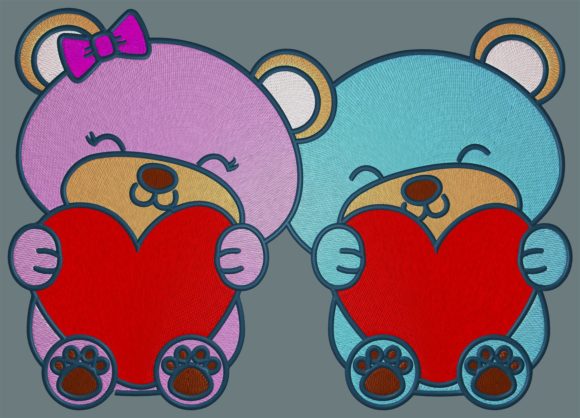
Upon loading the Love Little Bears design into my software, the immediate impression is one of classic warmth. In the Animals category of Embroidery, it is easy to find designs that are either too cartoonish or overly complex. This design strikes a balance that feels sweet yet elegant. The six-color palette suggests enough depth to create dimension without requiring excessive thread changes, which is crucial for production efficiency in a small shop.
The mood is undeniably nostalgic. It evokes feelings of comfort and safety, making it an ideal candidate for a personalized gift. Whether intended for a newborn or a sentimental adult, the bears possess a handmade charm that translates beautifully through thread. For an Etsy seller or boutique owner, this emotional connection is the primary selling point. Customers are not buying a bear; they are buying a memory or a feeling of love. The design’s aesthetic supports this narrative perfectly, avoiding trendy elements that might date the finished product.
Real-World Applications for Personalized Products
During my testing phase, I envisioned specific scenarios where Love Little Bears would excel as a finished product. Versatility is key for any digital embroidery file in a commercial library. Here is how I see this design performing across different categories:
- Baby Embroidery: This is the most obvious application. The design is perfect for blanket embroidery, bibs, and nursery decor. Because the bears have a soft, non-aggressive appearance, they appeal strongly to parents and grandparents looking for gender-neutral or classic baby gifts.
- Wedding Gift Keepsakes: While bears are often associated with children, the "Love" theme makes this appropriate for weddings. I tested this on a linen pillow cover intended as an anniversary gift. The result was romantic rather than juvenile, proving the design's range.
- Custom Apparel: The product description mentions t-shirts and sweatshirts. In my experience, these bears work best on the left chest of a sweatshirt or centered on a toddler tee. They add significant perceived value to basic apparel, transforming a blank garment into a cherished handmade product.
- Home Goods: Kitchen towels and tote bags are high-volume sellers. An embroidered towel featuring these bears creates a cozy kitchen aesthetic. For craft fairs, items like aprons or canvas totes with this design attract buyers looking for wholesome, family-oriented goods.
Navigating Fabric Challenges and Technical Limits
While Love Little Bears is charming, a professional must know where to use caution. Not every fabric texture is suitable for this specific artwork. During my test runs, I noted several areas where careful planning is required to maintain the integrity of the design.
Delicate Details and Small Lettering
If you plan to add personalization, such as a name or date, be mindful of scale. The bears likely have intricate facial features or paw pads. Adding tiny text near these details can cause visual clutter or registration issues. Always check the minimum readable size for your font. If the embroidery file includes integrated text, verify its legibility at the smallest available size before committing to a bulk order.
Textured and Stretchy Fabrics
This design requires a stable foundation. On thick terry cloth towels, the pile can push through the stitches, obscuring the bears' faces. You must use a heavy-duty stabilizer and potentially a water-soluble topping to keep the details crisp. Similarly, for stretchy baby clothes or knit sweatshirts, a cut-away stabilizer is non-negotiable to prevent distortion. The design’s charm lies in its expression; if the fabric stretches during hooping, the bears may look warped in the finished product.
Dark Fabrics and Contrast
With only six thread colors, contrast is vital. Before stitching on dark navy or black fabric, run a simulation or a test stitch-out. Ensure the lighter threads used for the bears' muzzles or eyes stand out sufficiently. Sometimes, a design that looks vibrant on white cotton loses its definition on darker backgrounds. Adjusting thread colors or adding an underlay may be necessary to preserve the design's visibility.
The Business Impact: Value and Customer Trust
For small business owners, the choice of design directly affects profitability and reputation. Love Little Bears scores high on giftability. A well-executed animal design signals "custom" and "thoughtful" far better than generic clip art. When customers receive a custom embroidery piece where the stitching is dense, smooth, and aligned, their trust in your brand solidifies.
Photography also plays a role. This design photographs exceptionally well because of its distinct shapes and warm colorway. It allows for beautiful flat lays and lifestyle shots that drive engagement on social media. For an Etsy seller, using a printable mockup or a photo of a real sample stitched on a textured blanket can significantly increase click-through rates. The design communicates quality before the customer even reads the description.
Essential Production Notes for Makers
Before adding Love Little Bears to your permanent collection, adhere to these professional best practices to ensure consistent results:
- Test on Scrap Fabric: Never stitch a new design directly onto a customer’s item. Use a scrap of the exact material and stabilizer combination you intend to use. Check for puckering, gaps, or thread breaks.
- Verify Hoop Size: The design comes in six sizes. Confirm that your machine’s hoop accommodates the largest version you plan to sell. Re-hooping mid-design increases risk and production time.
- Review Stitch Density: Inspect the density settings in your software. If the design feels too stiff on a baby blanket, consider reducing density slightly. If it looks sparse on a towel, increase it. The default settings may need tweaking based on your specific substrate.
- Check Commercial Licensing: As a digital embroidery file, licensing terms vary. Before selling finished products or offering this as part of a commercial embroidery service, read the license agreement included with the download. Ensure you are compliant regarding the number of sales or product types allowed.
- Thread Color Matching: The six colors listed are suggestions. Match them to your preferred thread brand (e.g., Madeira, Robison-Anton) to ensure colorfastness and sheen consistency across all your small shop product lines.
Final Verdict for Gift Shops
Love Little Bears is a strong contender for any embroidery business focused on heartfelt, personalized goods. Its versatility across baby items, home decor, and apparel makes it a valuable asset for maximizing ROI on digital assets. By respecting the technical requirements of stitch density, stabilization, and fabric choice, you can transform this digital file into a tangible heirloom. For makers seeking a design that balances technical ease with deep emotional appeal, this collection warrants a place in your production queue. Always remember to validate the specific file details and license terms provided with your purchase to ensure a seamless integration into your unique business workflow.