King Chili: A Designer Review for Business Merch
As a professional embroidery designer who specializes in commercial branding and merchandise production, I approach every new machine embroidery design with a critical eye toward production viability. When evaluating the "King Chili" design for small business applications, my primary focus is not just aesthetic appeal, but how the digitizing translates across various substrates like caps, aprons, and patches. For food-based businesses, spicy food brands, or rustic cafes, this design offers significant potential, provided it is implemented with technical precision. This review breaks down the practical realities of using King Chili for small business merch, ensuring your investment yields professional, sellable results.
Visual Personality and Brand Alignment
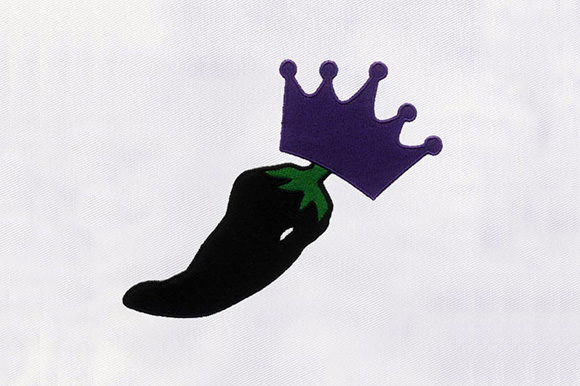
The first impression of King Chili suggests a bold, energetic identity that bridges the gap between playful and artisanal. In the context of brand identity, chili imagery typically communicates heat, flavor, and authenticity. From a digitizing perspective, I look for clean outlines and distinct color separation that allows the design to read clearly from a distance. If your business relies on a handmade product aesthetic, this design likely supports that narrative through organic shapes rather than rigid, corporate geometry.
However, visual personality must match the medium. For a boutique hot sauce brand or a taco truck, King Chili serves as an immediate visual cue for customers. It feels less like generic clip art and more like a dedicated logo mark suitable for custom apparel. The success of this design in a commercial setting depends heavily on whether the digitizer has accounted for the visual weight needed on textured fabrics. A design that looks vibrant on a screen must maintain that vibrancy when stitched onto a canvas tote or a denim apron. If the King Chili design utilizes complex shading or excessive detail, it may require simplification for smaller applications to avoid a muddy appearance in the finished product.
Performance Across Commercial Applications
In my experience outfitting cafes and creative studios, versatility is key. King Chili appears well-suited for several high-value business assets. Here is how I evaluate its performance across specific merchandise categories:
- Embroidered Patch Production: This is perhaps the strongest use case. Patches allow for higher stitch density without distorting the garment fabric. King Chili can be produced as a standalone merrowed-edge patch for staff uniforms or retail sale. Ensure the border is digitized specifically for patch making to prevent fraying.
- Apron Embroidery: For culinary staff, aprons are prime real estate. The design should be placed on the upper chest or bib area. Because aprons endure frequent industrial washing, the thread colors selected for King Chili must be colorfast, and the backing must be robust enough to support the stitch count without puckering the heavy cotton or poly-canvas material.
- Cap Embroidery: Stitching on curved surfaces presents unique challenges. If applying King Chili to a structured cap front, verify that the design height does not exceed the safe stitch area (typically under 2.5 inches). The center-out fill patterns must be adjusted for the curve to prevent registration errors where outlines fail to meet fills.
- Tote Bag Design: Canvas totes are popular for farmers' markets and bakery giveaways. The open weave of canvas requires a slightly heavier top stitch to anchor the design. King Chili works well here as a branding element, but test the tension first to avoid pulling the bag fabric out of square.
Technical Considerations and Production Risks
While the artistic concept is strong, the technical execution determines profitability. As an embroiderer, I must highlight areas where caution is required when deploying this digital embroidery file.
Fabric Texture and Stabilization
Food-related merchandise often utilizes natural fibers like linen, burlap, or unbleached cotton. These textured surfaces can swallow fine details. If King Chili contains thin lines or small text elements, they may disappear into the weave. You must pair this design with the correct stabilizer. For stretchy knits used in staff t-shirts, a cut-away stabilizer is non-negotiable to prevent distortion during wear and washing. For stiff caps or heavy canvas, a tear-away may suffice, but always conduct a sew-out test on the actual production material, not just a scrap piece.
Size Limitations and Detail Loss
There is a minimum viable size for any embroidery file. Reducing King Chili to fit a sleeve cuff or a tiny label tag requires scrutiny. If the design includes intricate facial features or text smaller than 0.25 inches, scaling it down will result in thread breaks and poor definition. In such cases, I recommend creating a simplified "icon only" version of the design specifically for small-format branding. Do not simply resize the original file; the stitch parameters must be re-digitized for the smaller scale to maintain integrity.
Color Contrast on Dark Uniforms
Many food service businesses utilize black or navy uniforms. If King Chili was digitized primarily for white backgrounds, it may lack the necessary underlay or contrast to pop on dark fabrics. You may need to add a white underlay base or adjust the outline color to ensure the design remains visible against dark apparel. Always review the thread colors in natural lighting before committing to a bulk production run.
Strategic Value for Small Business Growth
Beyond the needle and thread, King Chili functions as a business asset. Consistent use of this design across design assets builds recognition. When customers see the same high-quality embroidery on your staff’s hats, your packaging, and your market booth, it signals professionalism and attention to detail. This visual consistency increases perceived value, allowing handmade brands to command premium pricing.
Furthermore, having a versatile machine embroidery design enables rapid inventory expansion. You can apply King Chili to blank goods as orders come in, reducing the risk of holding pre-decorated stock. For Etsy sellers, offering the design itself (if licensing permits) or products featuring the design creates multiple revenue streams. The ability to produce commercial embroidery in-house also reduces turnaround times compared to outsourcing, giving small businesses a competitive edge in fulfilling custom requests.
Essential Pre-Production Checklist
Before loading the embroidery file into your machine for a client order or merchandise launch, follow this professional workflow to ensure quality:
- Verify File Compatibility: The King Chili product listing includes formats 10O, ART, CND, DSB, DST, DSZ, EXP, HUS, JEF, PCS, PEC, PES, TAP, VIP, VP3, and XXX. Confirm your specific machine reads one of these native formats to avoid conversion artifacts that can alter stitch paths.
- Create a Printable Mockup: Before stitching, generate a digital proof to show clients or stakeholders. This manages expectations regarding size and placement on the specific garment type.
- Test in Black and White: Run a grayscale test sew-out. This reveals structural issues with density and coverage that color might hide. If the design looks good in monochrome, the color version will be superior.
- Check Hoop Size Requirements: Measure the actual dimensions of the design file. Ensure you have the appropriate hoop size with adequate clearance for your machine’s presser foot. Using a hoop that is too tight can cause flagging and misalignment.
- Confirm Commercial Licensing: Review the terms associated with the purchase. While the file formats suggest broad compatibility, you must verify if the license covers selling physical embroidered items versus selling the digital file itself. Protect your business by adhering to intellectual property guidelines.
- Inspect Spacing and Trims: Open the file in your editing software to check for excessive jump stitches or unnecessary trims. Optimizing the stitch path can reduce production time by seconds per unit, which adds up significantly over a large run of apron embroidery or caps.
King Chili represents a promising opportunity for food-centric and artisanal brands looking to elevate their merchandise. By treating this machine embroidery design as a technical production component rather than just a decorative image, you ensure that your branded patches, uniforms, and accessories meet the rigorous standards of commercial use. Always prioritize testing and stabilization to transform this digital asset into a tangible symbol of your business's quality and craftsmanship.