Bison Meat Chop: Embroidery Design Review
As an embroidery designer constantly scouting for unique assets to elevate boutique apparel collections, I approach every new machine embroidery design with a critical eye. When browsing the Food category on Creative Fabrica, it is easy to find generic culinary motifs, but finding something with genuine character for high-end streetwear or cozy seasonal merchandise is a different challenge. The Bison Meat Chop design caught my attention not just for its novelty, but for its potential to serve as a bold statement piece in a curated clothing line. After reviewing the file structure and visual composition, here is my professional assessment of how this design performs for commercial apparel production.
Visual Personality and Stitching Mood
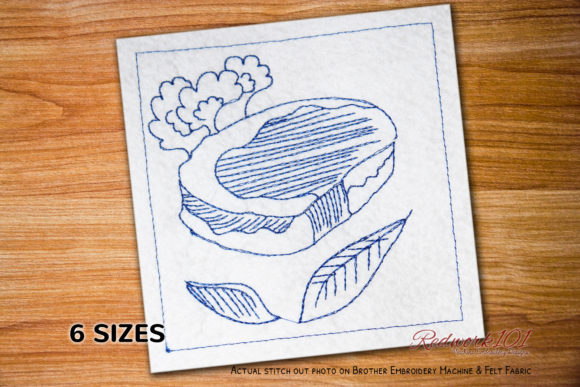
The first impression of Bison Meat Chop is distinctly rustic yet playful. It avoids the overly cartoonish aesthetic that often plagues food-themed embroidery, leaning instead into a style that feels handcrafted and intentional. For a boutique brand, this balance is crucial. The design possesses enough decorative strength to stand alone on a garment without needing excessive text or additional clipart. The stitching mood suggests a premium, artisanal quality rather than a mass-produced fast-fashion vibe.
A standout feature noted in the product details is the optional box stitch. As a designer, I appreciate this modularity. The outer box serves as a framing device, but because its color differs from the main motif in most variations, it allows for significant customization. If you are creating a minimalist capsule collection, skipping the box entirely can transform the design from a structured badge into a fluid, organic chest placement. This flexibility makes the embroidery file far more versatile than standard single-use designs.
Strategic Placement on Sweatshirts and Hoodies
When planning a sweatshirt or hoodie collection, placement dictates perceived value. Bison Meat Chop has the visual weight necessary for center-chest placement on oversized garments. On neutral sweatshirts—think oatmeal, charcoal, or sage green—the design acts as a focal point that anchors the outfit. The contrast between the organic shape of the meat chop and the structured ribbing of a hoodie cuff or hem creates a dynamic tension that appeals to modern fashion sensibilities.
For hoodie design projects, consider the kangaroo pocket area. While center chest is standard, placing this design slightly off-center or interacting with the pocket seam can create a custom, high-fashion look. However, caution is required here. Fleece and French terry fabrics have texture that can swallow fine details. Because this is a Food category design, clarity is paramount; you want the viewer to recognize the subject immediately. Testing on scrap fabric is non-negotiable to ensure the stitch density adequately covers the fleece nap without becoming bulletproof or stiff.
Versatility Across Apparel and Accessories
Beyond heavy knits, this design translates surprisingly well to lighter substrates. On denim jackets, the Bison Meat Chop offers a western-meets-culinary crossover that fits perfectly within current Americana trends. The rigid structure of denim supports dense stitching beautifully, allowing for crisp edges and vibrant thread colors. For tote bags and canvas accessories, the design provides a quirky, conversational element that drives engagement in lifestyle product photos.
For Etsy sellers and small shop owners, this versatility extends to digital marketing. The distinct silhouette of the design makes it excellent for printable mockups and social media graphics. Because the design has a strong personality, it helps build brand recognition. Customers begin to associate your shop with unique, curated finds rather than generic clipart. Whether used on a t-shirt for a summer BBQ collection or a cozy winter pullover, the design maintains its integrity across different contexts.
Navigating Technical Challenges on Stretch Fabrics
While the aesthetic is strong, technical execution requires diligence. Apparel decorators must be mindful when applying Bison Meat Chop to stretchy or ribbed fabrics. Food designs often contain fill stitches that can cause puckering if the stabilization is insufficient. I recommend using a cut-away stabilizer for all knit garments to maintain registration. If you choose to use the optional box stitch frame, ensure your hooping is perfectly square; any distortion in the box will be immediately visible and detract from the professional finish.
Dark garments present another consideration. If the design relies on light-colored fills to define the meat texture, you may need to add an underlay or adjust thread colors to prevent the dark fabric from showing through. Always review the Creative Fabrica embroidery listing for specific notes on layering. Furthermore, confirm the hoop size requirements before purchasing. Nothing halts production faster than realizing a design exceeds your machine’s maximum stitch area after you have already sourced blank apparel.
Enhancing Brand Value and Customer Trust
In the competitive landscape of custom apparel, buyers are increasingly savvy. They can distinguish between a thoughtful design application and a quick cash-grab. Using a specialized design like Bison Meat Chop signals that you are curating your inventory with intention. It tells a story. Perhaps it is for a niche audience of food enthusiasts, hunters, or fans of retro diner aesthetics. This specificity builds buyer trust and fosters community engagement.
Professional presentation also hinges on consistency. If you use the boxed version for one product, stick to that format across the collection unless there is a deliberate design reason to vary it. Visual consistency helps customers recognize your handmade product instantly in a crowded feed. Additionally, always verify licensing terms on Creative Fabrica before selling finished goods. Ensuring you have the correct commercial license protects your business and respects the digitizer’s work, which is foundational to ethical entrepreneurship in this space.
Designer Notes for Production Success
Before launching a collection featuring Bison Meat Chop, run through this practical checklist:
- Test Stitch: Always sew out on the exact fabric you intend to sell. A design that looks perfect on cotton twill may fail on ribbed knit.
- Stabilizer Selection: Match stabilizer weight to fabric stretch. Use fusible mesh for lightweight tees and heavy cut-away for hoodies.
- Thread Contrast: Evaluate thread colors against multiple garment shades. What pops on white may vanish on cream.
- Box Option: Decide early whether to include the optional box. Create separate production files for "Boxed" and "No Box" versions to streamline workflow.
- Licensing Check: Confirm the digital embroidery file includes rights for physical product sales, especially if scaling beyond small-batch runs.
- Maintenance: Include care instructions with finished apparel. Dense food designs can snag; advising customers to wash inside-out preserves the embroidery.
Ultimately, Bison Meat Chop is more than just a novelty graphic; it is a tool for differentiation. For the apparel decorator willing to test, tweak, and thoughtfully place it, this design offers a pathway to creating memorable, sellable merchandise that stands apart in the handmade marketplace. By treating this small shop product with the same technical rigor as complex multi-color portraits, you elevate both the final garment and your brand reputation.