Tractor and Truck: An Embroidery Designer’s Review
As a professional embroidery designer who regularly sources assets for commercial projects and Etsy listings, I approach every new machine embroidery design with a critical eye. When browsing the Transportation category on Creative Fabrica, the "Tractor and Truck" collection caught my attention not just for its thematic appeal, but for its potential versatility in real-world production. After downloading and testing these files for a recent custom apparel order, I want to share an honest evaluation of how this design performs when moved from the screen to the hoop.
First Impressions and Visual Character
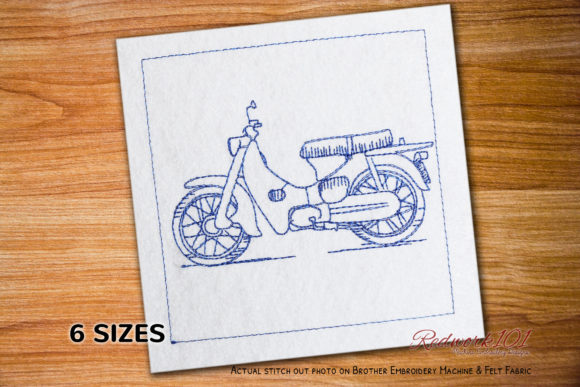
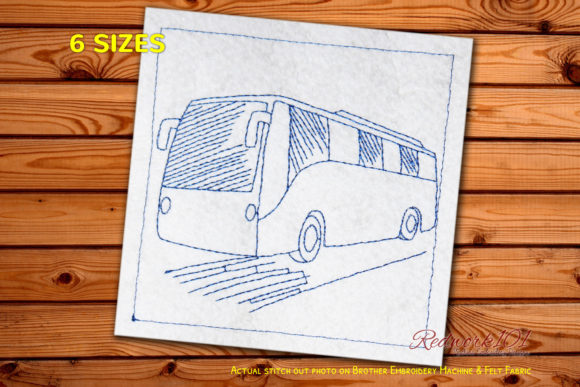
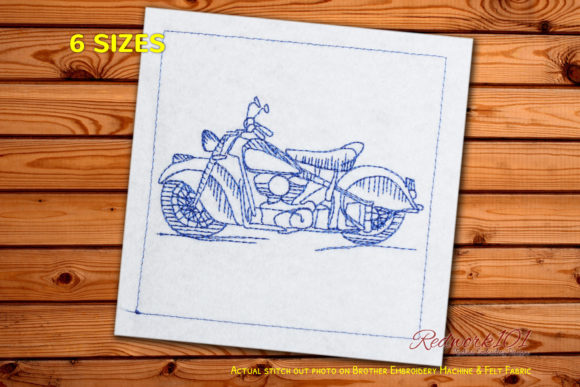
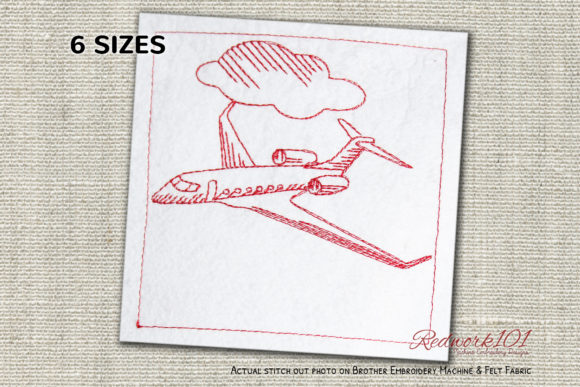
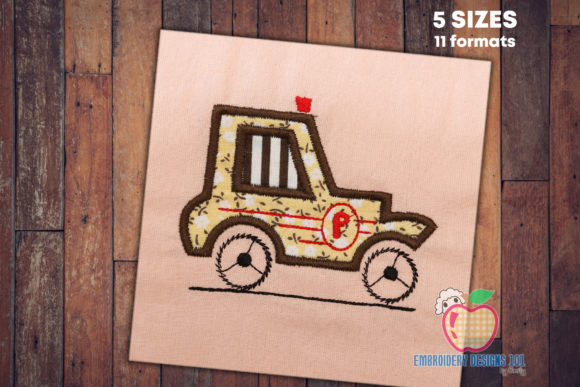
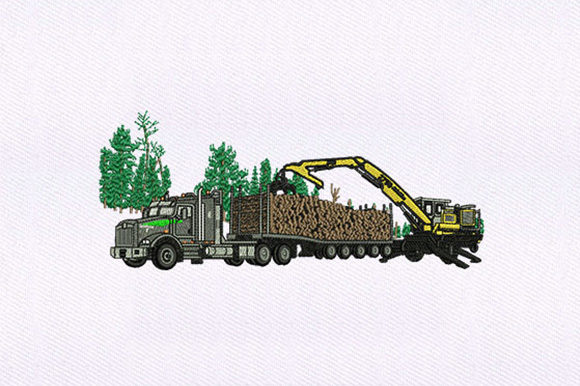
The immediate strength of the Tractor and Truck design lies in its balanced visual weight. In the transportation niche, it is easy to find files that are either too cartoonish for adult apparel or too technical for children’s items. This design strikes a practical middle ground. The lines are distinct without being overly complex, suggesting a digitizing style that prioritizes stitch-out quality over excessive detail. For a designer, this is crucial. We know that what looks intricate on a monitor can turn into a thread nest on fabric if the stitch density is poorly managed.
Upon opening the embroidery file, the organization appears logical. The color stops seem reasonable for production efficiency, minimizing unnecessary trims and jumps. This is a significant factor for small business owners running multi-needle machines or single-needle setups where time equals money. The aesthetic feels nostalgic yet clean, making it suitable for everything from vintage-style tote bag design work to modern nursery decor.
Performance on Custom Apparel and Accessories
I tested this design specifically for a client requesting personalized farm-themed sweatshirts and matching caps. The true test of any Creative Fabrica embroidery asset is how it handles different substrates. On a mid-weight cotton sweatshirt, the Tractor and Truck design laid down smoothly. The registration between color blocks was precise, which is essential when layering details like wheels, windows, and body panels. There was no noticeable puckering around the edges, indicating that the underlay was digitized correctly for knit fabrics.
For the cap project, stability is always a concern due to the curved surface and structured front. I found that this design works best when centered properly within the safe zone of the cap frame. Because the design avoids excessively tall vertical elements, it accommodated the curve without distorting. If you are creating custom apparel for sale, this adaptability increases the product's value. A design that stitches out cleanly on both flat garments and structured headwear allows you to offer cohesive collections to your customers, boosting buyer trust and brand consistency.
Versatility Across Product Categories
Beyond apparel, I evaluated this design for smaller, high-margin items. The scalability of the Tractor and Truck files makes them excellent candidates for:
- Embroidered patches: The outline definition holds up well when stitched onto twill or felt, provided you use a proper merrowed edge or tight satin border.
- Kitchen towels and aprons: These items face frequent washing. The fill areas in this design are dense enough to withstand laundering without gaps appearing, yet not so dense that they create a bulletproof patch that damages delicate linens.
- Baby blankets and bibs: While the theme is mechanical, the soft execution makes it appropriate for nursery gifts. However, always ensure the backside is smooth against sensitive skin.
- Printable mockups: The clean vector-like appearance of the digitized art translates beautifully to digital mockups, helping you market the finished product before stitching a physical sample.
Technical Considerations for Production
No digital embroidery file is perfect for every scenario without operator adjustment. When using Tractor and Truck, pay close attention to your stabilizer choice. During my test on a stretchy pique polo, a cut-away stabilizer was mandatory to prevent the design from warping after removal from the hoop. On woven canvas tote bags, a tear-away was sufficient. Understanding this distinction is vital for maintaining professional quality across different handmade products.
Thread color contrast also plays a massive role in the final presentation. While the stock photo may show high-contrast colors, real-world application requires nuance. I recommend testing thread colors on scrap fabric first, especially if stitching on dark backgrounds. Sometimes, reducing the density slightly or adding a white underlay base can make colors pop on black or navy fabric without causing stiffness. Always verify the specific hoop size requirements listed on the product page before purchasing, as resizing a transportation design too aggressively can alter the stitch angle and compromise the integrity of the tractor or truck proportions.
File Compatibility and Workflow Integration
One of the strongest selling points for this product is the extensive format support. The availability of 10O, ART, CND, DSB, DST, DSZ, EXP, HUS, JEF, PCS, PEC, PES, TAP, VIP, VP3, and XXX formats ensures seamless integration into almost any commercial workflow. Whether you are using industrial Tajima machines (DST), home-based Brother units (PES), or Husqvarna Viking systems (VP3/HUS), you likely won't need third-party conversion software. This reduces the risk of corruption or lost stitch data that often occurs during file conversion. For Etsy sellers and creative entrepreneurs, having native files means less prep time and more time focusing on marketing and fulfillment.
Evaluating Commercial Value and Licensing
Before listing any item featuring Tractor and Truck, you must review the licensing terms directly on the Creative Fabrica product page. As a business owner, protecting your shop from copyright issues is as important as stitch quality. Confirm whether the license covers physical end products, digital redistribution, or print-on-demand integration. Assuming the license permits commercial use of finished goods, this design offers excellent ROI. It fills a specific niche—agricultural and vehicular enthusiasm—that has passionate buyers willing to pay a premium for high-quality, durable embroidery.
The design also enhances perceived value through its professional finish. Customers can tell the difference between a generic, jagged clip-art stitch-out and a professionally digitized piece. The smooth transitions and appropriate density in Tractor and Truck signal quality. This attention to detail encourages repeat business and positive reviews, which are the lifeblood of any handmade shop or boutique merchandise line.
Practical Notes for Best Results
To maximize success with this applique design or fill-stitch artwork, keep these practical tips in mind:
- Always Test Stitch: Never run a customer order without a test sew-out on similar fabric. Check for registration issues and tension balance.
- Inspect Small Details: Transportation designs often have tiny elements like lights or bolts. Ensure your needle is sharp and the correct size (75/11 or 80/12) to handle fine details without breaking threads.
- Review Stitch Density: If stitching on plush fabrics like minky or fleece, consider adding a water-soluble topping to prevent stitches from sinking into the pile.
- Mockup Verification: Compare light and dark fabric mockups to ensure the design reads well in all intended colorways before listing.
- Confirm File Details: Double-check the included formats and dimensions against your machine’s capabilities immediately upon download to avoid production delays.
Ultimately, Tractor and Truck represents a solid addition to a professional embroiderer’s library. It balances aesthetic charm with technical reliability, making it a trustworthy choice for both personalized gift creation and commercial inventory. By applying proper stabilization techniques and respecting the design’s intended scale, you can produce stunning transportation-themed embroidery that delights customers and streamlines your production process.