Cute Squirrel Monkey Sleeping: A Designer’s Review
As an embroidery designer who has tested thousands of files for both personal enjoyment and commercial production, I approach every new machine embroidery design with a critical eye. When I first loaded the Cute Squirrel Monkey Sleeping file into my software, my immediate reaction was one of warmth. There is an inherent charm in wildlife motifs, but this specific design captures a tranquility that is rare in the Wild Animals category. It isn't just a depiction of an animal; it is a mood. For makers, Etsy sellers, and apparel decorators, understanding how this emotional resonance translates into actual stitches is the difference between a mediocre product and a bestseller.
First Impressions and Visual Personality
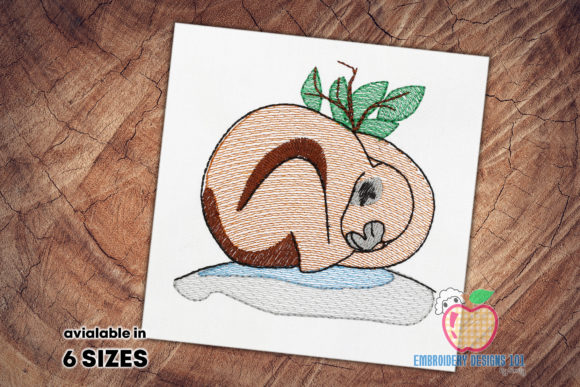
The layout of Cute Squirrel Monkey Sleeping feels organic rather than rigid. Many wildlife designs suffer from being too boxy or overly realistic to the point of stiffness, but this design embraces a softer, illustrative aesthetic. The sleeping posture creates a natural curve that guides the eye, making it visually balanced even before a single needle penetrates the fabric. As a reviewer, I look for designs that have "breathing room," and this one delivers. The integration of nature elements surrounding the monkey adds necessary context without overwhelming the central subject.
For those creating handmade products, this visual personality suggests versatility. It doesn't scream "safari" or "zoo"; instead, it whispers "cozy," "nursery," or "peaceful." This distinction matters immensely when you are curating a collection for a boutique or planning a seasonal lineup. The design possesses a gentle sophistication that appeals to adults buying for themselves just as much as parents buying for children.
Real-World Application: Stitching a Custom Sweatshirt
To truly evaluate this embroidery project, I mentally placed it on a heavyweight cotton fleece sweatshirt intended for a fall boutique collection. In this scenario, the design needs to perform as more than just art; it needs to be a wearable asset. Because the description notes this is a quick stitch design utilizing various techniques, I anticipated a mix of fill stitch and detail work rather than heavy, dense satin columns.
On a sweatshirt, texture is everything. If Cute Squirrel Monkey Sleeping were too dense, it would create a bulletproof patch effect that ruins the drape of the garment. However, the varied techniques mentioned in the product details suggest a smarter digitizing approach. When stitching this out, I would expect the transitions between the monkey’s fur and the surrounding foliage to use directional stitching that mimics natural flow. For a custom apparel piece, this means the embroidery moves with the fabric rather than fighting against it. Customers appreciate this tactile quality; it signals high-end craftsmanship rather than mass-produced decoration.
I also considered how this would function as a tote bag design. Canvas totes are unforgiving because they lack stretch. The organic shape of the sleeping monkey allows for better placement flexibility on a flat surface compared to a square or circular frame. You can position it off-center or nestled near a pocket without it looking awkward, which is a massive advantage for creative entrepreneurs designing unique merchandise layouts.
Navigating Fabric Choices and Stabilizer Strategy
While the design is versatile, my experience dictates caution with certain substrates. The multi-color nature and technical variety of Cute Squirrel Monkey Sleeping mean registration is key. If you are working with stretchy knits or performance fabrics, you must use appropriate stabilizer. A cut-away stabilizer is non-negotiable here to prevent the intricate details of the sleeping pose from distorting during wear and washing.
Be particularly mindful when using dark fabrics. Designs featuring wild animals often rely on subtle shading to define form. On black or navy material, verify that the thread colors provide enough contrast. If the design uses mid-tone browns or greens, they may disappear against a dark background unless you adjust your thread palette or add a light underlay. Always test this on scrap fabric first. Conversely, on textured fabrics like linen or terry cloth, the finer details might get lost. In those cases, consider using a water-soluble topping to keep the stitches crisp and visible.
For baby embroidery projects, such as onesies or blankets, safety and comfort are paramount. Since this is described as a quick stitch design, it likely avoids excessive density, which is excellent for infant wear. However, always check the back of the embroidery after completion. If there are numerous color changes resulting in many tie-offs, trim them meticulously or use a soft backing to prevent irritation against sensitive skin.
Commercial Viability for Sellers and Makers
For Etsy sellers and small shop owners, time is money. The fact that Cute Squirrel Monkey Sleeping is categorized as a quick stitch design is a significant selling point for production efficiency. It allows for higher turnover without sacrificing perceived value. However, do not let the speed compromise quality control. Before listing any finished product, run a sample to ensure the color sequence flows logically and minimizes unnecessary trims.
This design also holds strong potential for holiday embroidery or gift-giving seasons. The peaceful theme makes it an ideal candidate for personalized gifts that aren't overtly festive, extending its shelf life beyond December. When creating printable mockups for digital listings, ensure the design is shown on realistic textures. Because the artwork involves nature and organic shapes, flat vector-style mockups can sometimes make it look artificial. Show it stitched on real fabric to build customer trust and demonstrate the true texture of the Embroidery work.
If you are selling digital embroidery files or using this as part of a larger asset pack, transparency is vital. Clearly state the recommended hoop size and fabric types in your listing. Buyers need to know if this fits their 4x4 hoop or requires a larger field. Never assume compatibility; providing accurate technical specs reduces support tickets and returns.
Essential Pre-Stitch Checklist for Success
Before you commit Cute Squirrel Monkey Sleeping to a final product, run through this practical checklist derived from professional testing standards:
- Verify Hoop Compatibility: Confirm the physical dimensions of the design match your available hoops. Do not resize significantly without re-digitizing, as altering the size can distort stitch density and ruin the delicate balance of the sleeping pose.
- Test Color Contrast: View the design in grayscale or print a black-and-white worksheet. If the monkey blends into the background elements in monochrome, it lacks sufficient definition for low-light viewing or photography.
- Check Licensing Terms: The product description mentions these are "not 100," implying specific limitations or conditions. Read the license agreement thoroughly before selling finished items or modifying the file for commercial embroidery purposes.
- Assess Stitch Density: Run a test stitch-out on your intended fabric. Feel the result. Is it stiff? Does it pucker? Adjust tension or stabilizer weight accordingly before starting a paid order.
- Evaluate Small Details: Inspect facial features and extremities. In smaller sizes, eyes and fingers can become indistinguishable blobs. If details are lost at your target size, choose a different application or a larger format.
- Mockup Realism: Create visual previews that reflect the actual stitch texture. Customers buy the reality of thread, not just the concept of the image.
Final Thoughts on Design Integrity
Cute Squirrel Monkey Sleeping stands out because it balances artistic appeal with practical execution. It respects the medium of machine embroidery by acknowledging that thread behaves differently than ink. For the creative entrepreneur, it offers a sweet spot of efficiency and beauty. Whether you are embellishing a nursery pillow, branding a line of eco-friendly tote bags, or crafting a heartfelt personalized gift, this design provides a solid foundation.
Remember that a great embroidery file is only as good as the operator's preparation. Respect the fabric, honor the stabilizer requirements, and validate your color choices. By treating this design with professional diligence, you ensure that the final stitched result retains all the cozy, wild charm intended by the original artist. In a market saturated with generic clip art, thoughtful execution of unique themes like this is what builds a loyal customer base and a reputable brand.