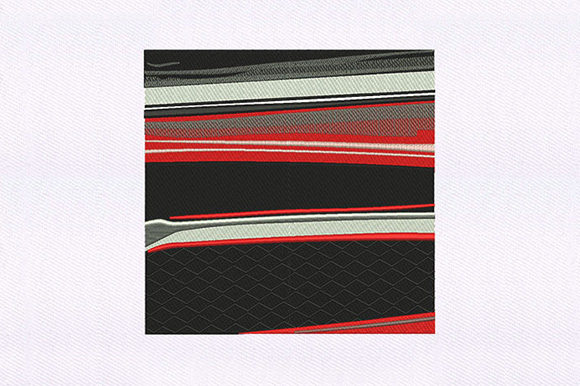
Abstract Quilting Design: A Professional Review
As an embroidery designer who frequently sources assets for both custom client orders and ready-to-stitch Etsy listings, I approach every new machine embroidery design with a critical eye. It is not enough for a file to simply look good on a screen; it must perform under the needle. After evaluating the Abstract Quilting Design available on Creative Fabrica, I want to share my honest assessment of how this digital asset translates from a computer file to a tangible, high-quality handmade product. This review focuses on practical application, stitch integrity, and commercial viability for fellow creators and small business owners.
Visual Mood and Stitching Personality
My first impression of the Abstract Quilting Design was its versatility. Unlike traditional floral or geometric quilting patterns that can sometimes feel dated or overly rigid, this design carries a modern, fluid aesthetic. The visual mood strikes a balance between structured comfort and artistic expression. For designers specializing in bedroom decor or nursery items, this abstract nature allows the embroidery to act as a texture rather than just a picture. It provides visual interest without competing with other room elements.
In terms of stitching personality, the design appears to rely heavily on tonal variation rather than stark color contrasts. This suggests a sophisticated use of fill stitch and running stitch combinations to create depth. For a professional embroiderer, this is a positive indicator. Designs that depend solely on heavy satin stitch borders can be prone to puckering, especially on lighter fabrics. The abstract flow of this design implies a more organic stitch path, which generally results in a softer hand-feel—a crucial factor for items like baby blankets, pillow covers, and wearable apparel where comfort is paramount.
Real-World Application for Commercial Projects
When considering this Creative Fabrica embroidery file for real-world production, I evaluated it against several common project types. The abstract nature makes it exceptionally strong for home goods. I can easily visualize this design elevating a plain linen tote bag or adding a boutique touch to kitchen towels. Because the pattern is non-representational, it appeals to a broader demographic, making it a safer bet for craft fair inventory where you cannot predict every buyer's specific taste in representational art.
For custom apparel, specifically sweatshirts and casual wear, the Abstract Quilting Design offers a unique alternative to standard logos or monograms. It functions similarly to an applique design in terms of coverage but without the bulk of fabric layers. This makes it ideal for sweatshirt embroidery where maintaining the garment's drape is essential. However, for items like caps or structured patches, caution is advised. Abstract designs often require a stable base to maintain their shape. While excellent for flat surfaces, testing on curved cap surfaces is mandatory to ensure the abstract lines do not distort when wrapped around a brim.
From a business perspective, this design holds significant value for creating cohesive collections. If you are selling a range of nursery bedding, using this same abstract motif across crib sheets, changing pad covers, and wall hangings creates brand consistency. Buyers trust sellers who offer coordinated sets, and this design has the flexibility to serve as that unifying thread across multiple SKUs.
Technical Performance and Practical Considerations
A beautiful digital embroidery file is useless if it causes registration issues or fabric distortion. When working with the Abstract Quilting Design, technical preparation is key. The product description confirms availability in a comprehensive list of formats including 10O, ART, CND, DSB, DST, DSZ, EXP, HUS, JEF, PCS, PEC, PES, TAP, VIP, VP3, and XXX. This wide compatibility ensures that whether you are using a single-needle home machine or a multi-needle commercial setup, you have access to a native or easily convertible format.
However, users must pay close attention to stitch density. Abstract quilting designs often cover larger areas to mimic the look of hand-quilting. On stretchy fabrics like jersey knits or performance blends, this coverage requires adequate stabilization. I recommend using a cut-away stabilizer for any apparel application to prevent the design from pulling the fabric out of alignment during washing. For woven cottons or linens used in tote bags and pillows, a tear-away or wash-away stabilizer may suffice, but always verify based on your specific fabric weight.
Hoop size is another critical variable. Before purchasing or stitching, confirm that the design dimensions fit within your machine’s maximum embroidery area. Abstract designs can sometimes be resized, but scaling down too aggressively may cause stitch overlap or loss of detail, while scaling up may result in sparse coverage. Always check the specific dimensions listed on the product page. Additionally, because this is an abstract pattern, thread color selection plays a massive role in the final outcome. I strongly advise testing thread colors on scrap fabric first. A tone-on-tone approach (e.g., cream thread on white fabric) yields a subtle, high-end texture, while high-contrast threads will make the quilting lines pop dramatically. Neither is wrong, but they serve different market niches.
Enhancing Product Value and Buyer Trust
Using high-quality assets like the Abstract Quilting Design directly impacts perceived value. In the saturated market of Etsy and handmade goods, customers are increasingly discerning about stitch quality. A design that registers perfectly and lies flat signals professionalism. When photographing finished products for printable mockups or listing photos, the texture of this abstract design catches light beautifully, adding dimension to flat product photography. This visual appeal can increase click-through rates and customer engagement.
Furthermore, utilizing versatile design assets allows for efficient workflow. Instead of digitizing a complex quilting pattern from scratch—which is time-consuming and technically difficult—leveraging a pre-digitized professional file allows you to focus on production and marketing. Just ensure you review the licensing terms on Creative Fabrica carefully. Understanding whether you can use the design for unlimited commercial embroidery sales or if there are restrictions is vital for protecting your business. Transparency about your process and the quality of your materials builds buyer trust, and starting with a reliable base design is the foundation of that quality.
Essential Pre-Stitch Checklist for Designers
To ensure success with the Abstract Quilting Design, I recommend following this practical workflow before committing to a final finished product:
- Verify File Details: Double-check the specific stitch count and physical dimensions on the Creative Fabrica product page to ensure compatibility with your project requirements.
- Stabilizer Selection: Match your stabilizer to the fabric type. Use cut-away for knits and stretchy materials; use tear-away or water-soluble for stable wovens.
- Test Stitch: Always run a test on a scrap of the actual fabric you intend to use. Check for puckering, registration errors, and thread tension.
- Color Contrast Check: Evaluate how the design looks in both low-contrast and high-contrast thread combinations to determine the best aesthetic for your target audience.
- Wash Test: If creating items like baby blankets or kitchen towels that require frequent laundering, wash your test swatch to ensure the embroidery file holds up without distorting the base fabric.
- License Review: Confirm your usage rights regarding the sale of physical embroidered items versus the resale of the digital file itself.
The Abstract Quilting Design represents a valuable addition to a professional embroiderer's library. Its blend of modern aesthetics and functional versatility makes it suitable for everything from personalized gifts to boutique merchandise. By approaching this design with proper technical preparation and a clear understanding of its best applications, makers can produce stunning, durable, and commercially successful embroidered goods. Whether you are updating your bedroom decor line or expanding your apparel offerings, this design warrants serious consideration for your next collection.